
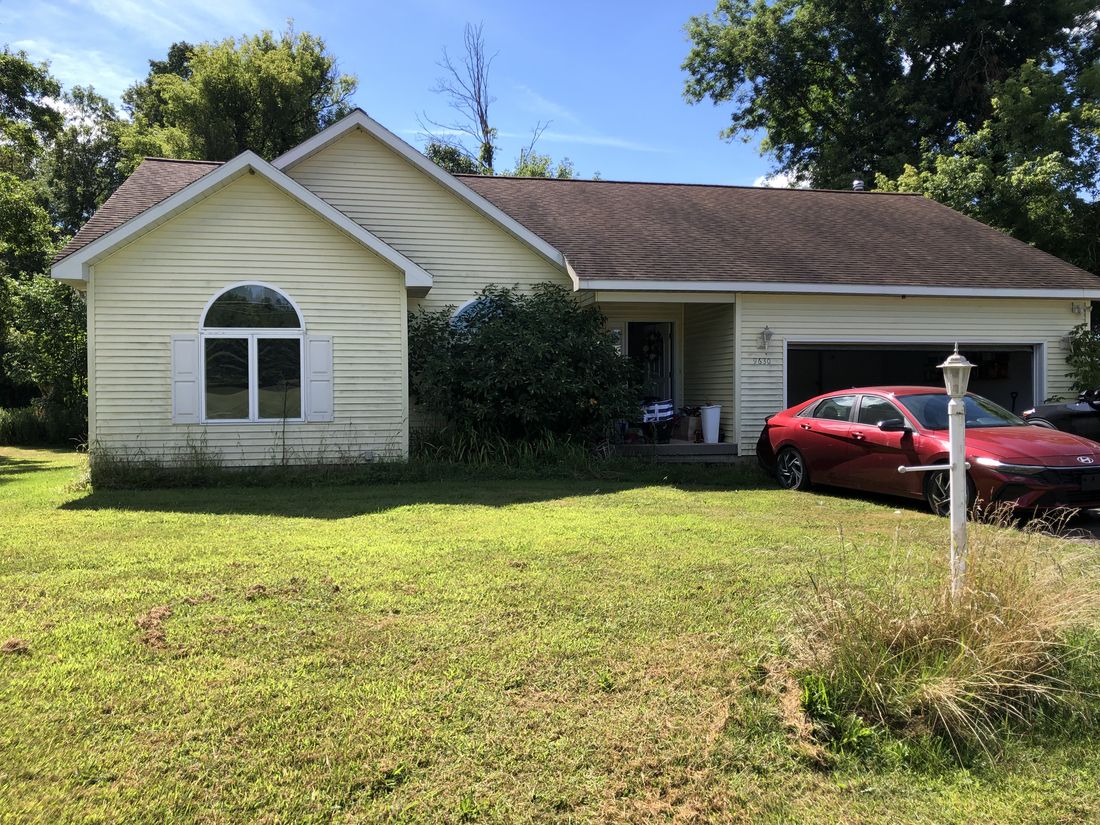
Inheriting a house in Westchester, Rockland, or Putnam when you live in the city — or in another state — comes with a problem nobody warns you about: you usually can't sell it the day you inherit it. New York requires you to get legal authority through Surrogate's Court first, and while that plays out, you're paying to carry a house you may be hundreds of miles from. Here's the path, the timeline, and the way most out-of-state heirs end up selling.
Before you can sell an inherited Hudson Valley home, you generally need Letters Testamentary (if there's a will) or Letters of Administration (if there isn't) from the county Surrogate's Court — a small-estate filing won't cut it, because it can't transfer real estate. Expect the process to take roughly 7 to 15 months for an uncontested estate. While it's pending, you're responsible for taxes, insurance, and upkeep. Many out-of-state heirs sell as-is for cash to stop the bleed and avoid managing repairs and showings from afar.
General information, not legal or tax advice. Probate is fact-specific — confirm your situation with a New York estate attorney.
The first thing to understand
You can't sign a deed for a house you don't yet have legal authority over. When someone dies owning a New York home in their name alone, the property becomes part of their estate, and only a court-appointed executor or administrator can sell it. That appointment comes from the Surrogate's Court in the county where the person lived. Until you have it, the house is in limbo — and the meter on taxes and insurance is running.
One common misconception: the "small estate" or voluntary-administration shortcut (for estates with $50,000 or less in personal property) does not apply to real estate. A house almost always means full probate or administration. Don't lose months assuming the simple path is available when it isn't.
Getting authority: probate vs. administration
Which road you're on depends on one thing — whether there's a valid will.
- There's a will: You file it with the Surrogate's Court along with the death certificate and a probate petition. Once the court accepts the will, it issues Letters Testamentary to the named executor. That document is your authority to sell.
- There's no will (intestate): A close relative petitions to be appointed administrator, and the court issues Letters of Administration following New York's statutory priority of heirs. Same end result — authority to act — just a different filing.
Either way, all the heirs ("distributees") have to be notified; ideally they sign waivers consenting, which keeps things moving. If someone can't be located or won't cooperate, the court requires formal service and the timeline stretches.
How long it actually takes
Plan for months, not weeks. A clean, uncontested estate often runs 7 to 15 months start to finish. A big reason: New York gives creditors seven months from the date Letters are issued to file claims against the estate, so executors usually shouldn't fully close things out before that window passes. You can often list and even sell the house during administration, but the appointment itself — getting those Letters in hand — is the gate, and it can take weeks to a few months depending on the county and whether the paperwork is clean.
If you need to act fast (say, to stop carrying costs or stave off a tax problem), ask your attorney about preliminary Letters Testamentary, which can grant authority to manage and sell property while the full probate finishes.
Carrying a house you can't drive to
This is where out-of-state heirs feel the squeeze. Every month the house sits, you're paying:
- Property taxes — and this is Westchester, where the median bill is around $9,000 a year (the highest of any U.S. county) and far higher in many towns. That's real money every month the estate holds the house. See our Westchester property tax guide.
- Vacant-home insurance, which is pricier and trickier than a normal policy once the house is empty.
- Utilities, lawn care, snow removal, and basic upkeep — someone has to keep the pipes from freezing and the place from looking abandoned, which is hard from another state.
- Risk — an empty Hudson Valley house through a winter is a burst-pipe and break-in waiting to happen.
For a lot of heirs, the carrying costs and the logistics — not the sale price — are what drive the decision to sell quickly.
When there are multiple heirs
Three siblings inherit Mom's house; one lives in the home town, one's in California, one wants to keep it as a rental and the others want cash. This is the most common reason inherited-house sales stall. A few things that help: agree early on whether you're selling or keeping, get everyone's consent in writing, and let the executor (one person with the legal authority) run the transaction rather than negotiating by committee. A clean cash sale is often the path of least resistance precisely because it converts an illiquid, argument-prone house into a number everyone can split.
The tax surprise (usually a good one)
Here's the part that relieves most heirs: inherited property gets a stepped-up cost basis to its fair-market value as of the date of death. In plain terms, if Mom bought the house in 1985 for $90,000 and it's worth $600,000 when she passes, your basis is $600,000 — not $90,000. Sell it near that value soon after, and there's usually little or no capital-gains tax on the sale. (Hold it for years as it appreciates further, and gains accrue from the stepped-up number.) Confirm the specifics with a tax professional, but the common fear — "I'll owe a fortune in taxes if I sell" — is usually unfounded for a prompt sale.
Selling from a distance
Once you have your Letters, you've got the same choice any seller has — list it or sell direct — but the out-of-state angle tilts the math:
A traditional listing can net more on a clean, updated home, but it means managing repairs, cleanouts, staging, and showings from afar, often coordinating contractors you can't supervise and an estate full of belongings you have to clear. Every week of that is another week of Westchester taxes.
A cash sale is built for the remote, inherited situation: as-is (we'll often take the house with the contents still in it), no repairs, no showings, no cleanout, and a closing you can handle by mail or remotely. You trade some headline price for not having to fly in repeatedly or babysit an empty house through probate. Our guide to selling the house as-is explains what that does and does not change about New York's disclosure rules for an estate.
Inherited a house here but you're not local?
We help out-of-state and NYC heirs sell inherited Hudson Valley homes as-is — contents and all — with a remote-friendly closing. No repairs, no cleanout, no flights back and forth.