
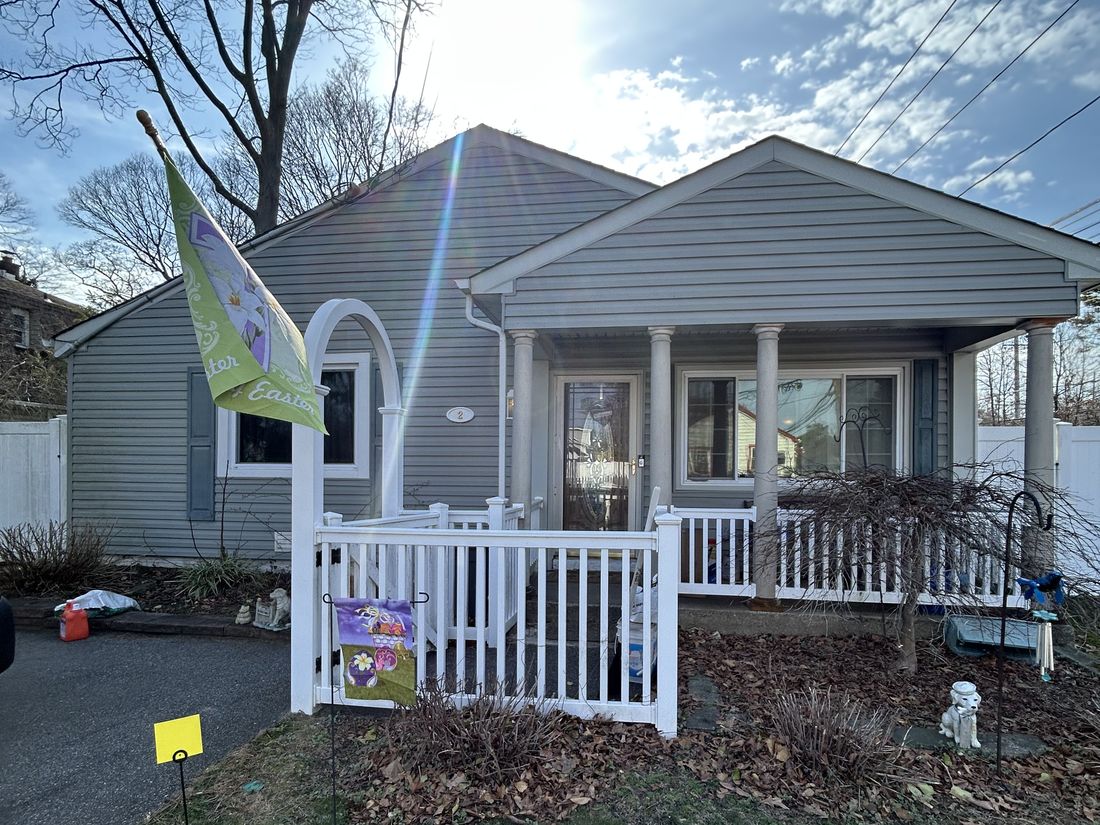
If you own a two- or three-family in Yonkers or Mount Vernon and you're done — done with the 11 p.m. calls, the turnover, the repairs on a 1920s building, and the tax bill — you've got more options than you might think, and one big myth to clear up: you do not have to empty the building to sell it. In fact, for a tired landlord, selling it occupied is often the faster, cleaner exit.
In New York, a sale doesn't break existing leases — the buyer takes the property subject to the tenancies, so you generally can't (and don't need to) remove tenants to sell. Investor buyers want occupied buildings with paying tenants. The fastest exit for a burned-out landlord is usually to sell occupied and as-is to an investor, who takes the tenants, the deferred maintenance, and the headaches off your plate.
Why Hudson Valley landlords are burning out
The two-and-three-family stock in Yonkers, Mount Vernon, and the inner-ring Westchester towns is some of the most attractive rental real estate in the region — and some of the most demanding to own. A few forces stack up:
- Old buildings. Much of this housing predates 1940. Knob-and-tube, original plumbing, oil heat, slate roofs, and aging boilers mean repairs aren't occasional — they're a lifestyle.
- New York's tenant laws. The 2019 Housing Stability and Tenant Protection Act (HSTPA) reshaped the landlord-tenant balance statewide — capping security deposits at one month, tightening the rules around fees and renewals, and lengthening notice periods. Evictions, when they're necessary, move slowly through New York courts.
- The tax load. Westchester carries the highest median property taxes of any county in the country, and on a multi-family that bill takes a real bite out of cash flow every year.
- Plain burnout. Sometimes the building's fine and you're just done being a landlord. That's a perfectly good reason to sell.
Selling occupied vs. vacant
This is the decision that trips up most landlords, and the instinct — "I should get everyone out first so it shows well" — is usually wrong for a tired owner.
Selling vacant opens the door to retail owner-occupant buyers (including house-hackers who'll live in one unit). It can fetch a higher price per unit — but only if you can legally and practically deliver the building empty, which in New York is slow, expensive, and not always possible with tenants who have every right to stay. Trying to force vacancy is where landlords get into legal trouble.
Selling occupied keeps the income in place and hands the building to an investor who's buying it precisely because it's a working rental. No turnover, no staging, no holding the building empty while you market it. For a landlord who just wants out, this is almost always the lower-stress path.
What New York tenant law means for your sale
The key principle: a sale does not terminate a lease. When you sell, the buyer steps into your shoes and takes the property subject to the existing tenancies. A tenant with eight months left on a lease has eight months left, new owner or not. Month-to-month tenants can be ended only with the proper written notice, and under HSTPA those notice periods scale with how long the tenant has lived there (30, 60, or 90 days).
A couple more things that carry over to the buyer at closing:
- Security deposits transfer to the new owner and are capped at one month's rent. Under New York's General Obligations Law, deposits must be returned with an itemized statement within 14 days after a tenant moves out — a rule the buyer inherits.
- Existing lease terms bind the buyer — rent, renewal rights, and any agreements you made stay in force.
None of this stops a sale. It just means the cleanest transactions are the ones where the leases, rent roll, and deposits are documented and handed over properly.
Who actually buys occupied buildings
Here's the reframe: your tenants aren't an obstacle to an investor buyer — they're the product. An investor buying a Yonkers three-family wants units that are already rented and producing income from day one. Paying tenants with a clean payment history can raise what an investor will pay, not lower it. The buyer pool for an occupied multi-family is full of exactly the people who do this for a living — and they're not fazed by deferred maintenance, an old boiler, or a unit that needs work.
The paperwork a buyer will want
To sell occupied smoothly, get these together — it speeds the deal and builds buyer confidence:
- A current rent roll: each unit, the tenant, the rent, and lease dates.
- Copies of all leases and any addenda.
- A security-deposit accounting: how much you hold for each unit and where.
- Recent expense records — taxes, water/sewer, heat, insurance, repairs.
- Any estoppel certificates the buyer requests (tenants confirming their rent and terms).
Your realistic options
| Path | Best when | Trade-off |
|---|---|---|
| List vacant on the open market | You can legally deliver it empty; building shows well | Slow, costly, and often impractical with protected tenants |
| List occupied with an agent | Stabilized rents, clean leases, time to wait | Smaller buyer pool; commission; financed-investor timelines |
| Sell occupied + as-is to an investor | You're burned out and want a clean, fast exit | Lower headline price for speed, no repairs, no turnover |
Selling as-is and occupied — the tired landlord's exit
If the whole point is to stop being a landlord, the as-is occupied sale is built for you. You don't evict anyone. You don't fix the boiler or repaint the vacant unit. You don't stage anything or hold open houses around tenants' schedules. You hand over the rent roll and the leases, and a cash buyer takes the building, the tenants, and the to-do list as they are — closing on your timeline.
The price will be below a fully-renovated, vacant comp, because the buyer is taking on the management and the repairs. But weigh it against the alternative: months of trying to deliver vacancy you may not legally be able to deliver, continued repairs, and another year of the highest property taxes in the country eating your cash flow. For a lot of worn-out owners, the clean exit wins.
Done being a landlord?
We buy occupied two- and three-families in Yonkers, Mount Vernon, and across the Lower Hudson Valley — as-is, tenants in place, no repairs. Hand us the rent roll and pick your closing date.