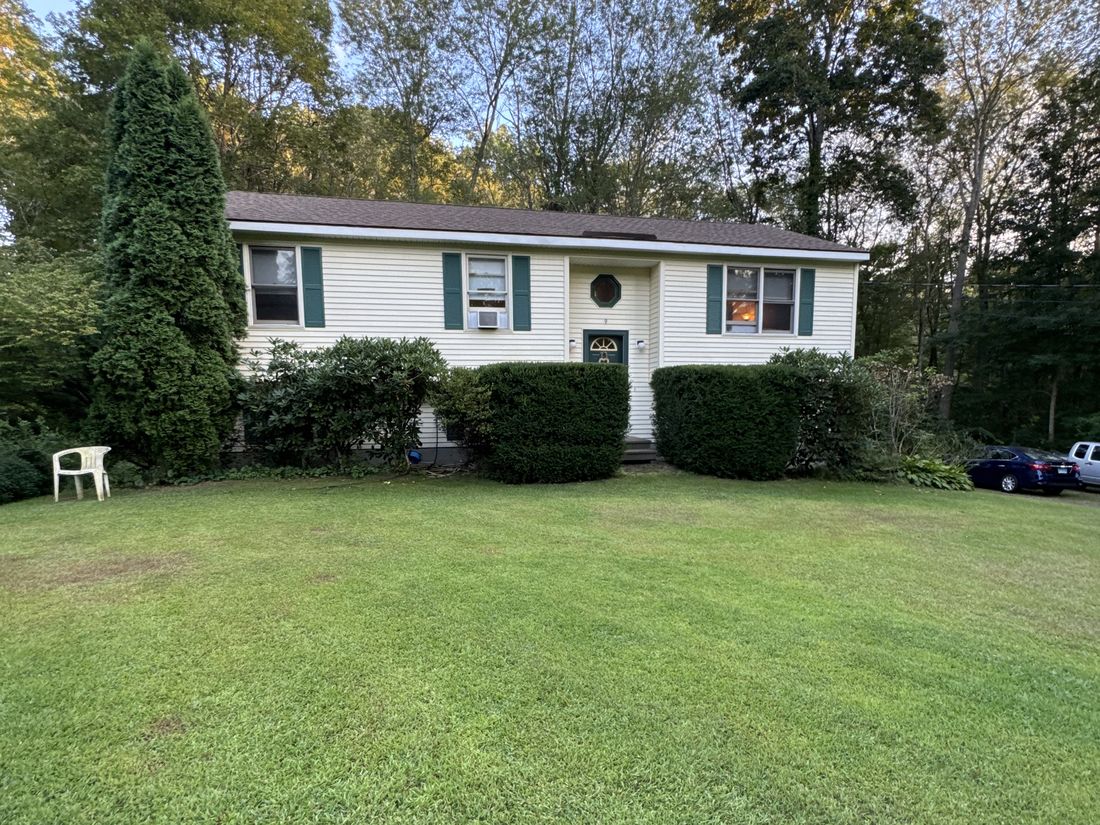
Ask an agent how long a Westchester sale takes and you get days on market. Ask an attorney and you get contract to closing. The seller who has to move counts from the day they decide to sell to the day the money arrives, and that is the number this guide is about.
New York handles a sale differently from most of the country. There is no escrow company running the file; lawyers on both sides draft, negotiate and close the deal, and the deed is recorded with the Westchester County Clerk in White Plains after the closing. Below is the process in order, the situations that stretch it, and an honest comparison of a financed listing with a cash sale. If you would like to see first how a direct sale works across the county, our page on how we buy houses in Westchester County covers the cities and towns we work in.
There is no honest single number. A Westchester sale runs on two clocks: the time it takes to find a buyer and sign a contract, and the time from contract to closing, which depends on the buyer's mortgage approval, the title search and anything that search turns up. A financed sale through an agent has to get through both clocks, and either one can stall. A cash sale has no mortgage or appraisal step, so it is limited mostly by how fast title can be cleared. Estates, co-op boards, open permits, liens and tenants add time to either kind of sale.
The Stages of a Westchester Sale, in Order
Most residential sales in the county follow the same sequence. Knowing it tells you where your own sale is likely to slow down.
1. Accepted offer and the disclosure form
An accepted offer in New York is a handshake, not a contract. Either side can still walk away until a written contract has been signed by both parties. Before the buyer signs, the seller now has to deliver New York's Property Condition Disclosure Statement: the 2024 amendments ended the old option of giving the buyer a $500 credit in place of the form. Our guide to the 2024 disclosure law explains what the form asks and which sales are exempt. Having it filled out on day one removes an avoidable delay.
2. The contract, drafted and negotiated by attorneys
Once the offer is accepted, your attorney drafts the contract of sale and sends it to the buyer's attorney, who reviews it, asks questions and proposes changes. Downstate custom is for the buyer to have the house inspected during this window, before signing, rather than as a contingency afterwards, so a disappointing inspection usually means renegotiating the price before anything is binding. When both sides agree, the buyer signs first and delivers a down payment, commonly around ten percent, which your attorney holds in escrow; the deal becomes binding when you sign and the contract is delivered back.
3. Title search and municipal searches
After the contract is signed, the buyer's title company orders a title report. It traces the chain of ownership through the county land records and looks for open mortgages, judgments and liens, and it usually includes municipal searches with the local building department and other offices: certificates of occupancy, open permits, building and fire violations, and in some places street or emergency-repair charges. In Westchester those searches go to whichever city, town or village the house sits in, and response times vary from one municipality to the next. Anything the report flags becomes a title objection that your attorney has to clear before closing.
4. The buyer's mortgage commitment
If the buyer is borrowing, the contract almost always includes a mortgage contingency giving them a set period to obtain a written loan commitment. During that period the lender orders an appraisal, underwrites the buyer and may add conditions about the house itself, such as a repair, a missing certificate of occupancy or a heating system that has to be working. A low appraisal or a lender condition can reopen the price or end the deal, and you will not know which until the commitment arrives.
5. Payoff letters and clearing title
While the buyer works on the loan, your attorney requests a payoff letter from each mortgage or home equity lender, showing exactly what is owed through the expected closing date. If the title report turned up an old mortgage that was paid but never formally satisfied, a judgment against someone with a similar name, unpaid water or sewer charges or tax arrears, your attorney deals with it now, either by getting it released ahead of time or by arranging for it to be paid out of the proceeds at closing.
6. The closing
At the closing the deed is signed and delivered, the buyer's lender funds the loan, your mortgage is paid off and the transfer tax forms are signed. You receive your proceeds when the closing is complete. Lining up both attorneys, the title closer and, in a financed deal, the bank, often pushes the date a little later than everyone hoped.
Recording the Deed With the Westchester County Clerk
Once the house closes, the deed and the satisfaction of your mortgage still have to go on the public record. For any property in Westchester that happens at the Westchester County Clerk's land records office in White Plains, and the title company normally handles the submission after the closing. The deed travels with New York's TP-584 transfer tax form and the state's RP-5217 real property transfer report. If the house is in Yonkers, Mount Vernon or Peekskill, the city's own transfer tax has to be paid before the clerk will record the deed. Our breakdown of Westchester selling costs covers those city rates, including Mount Vernon's 1.5% rate, with an exemption of up to $50,000, for deeds dated on or after February 1, 2026.
For a seller, the practical point is that recording comes after the money changes hands, so it does not hold up your proceeds. It matters more at the start: a past deed or satisfaction that was never recorded properly shows up as a gap in the title search and has to be fixed before you can close. Houses in Rockland and Putnam go through the same steps with their own county clerks, in New City and Carmel.
Co-ops Run on the Board's Calendar
Selling a co-op adds a step that a house sale does not have: the co-op board has to approve the buyer before the closing. After the contract is signed, the buyer puts together a board package through the managing agent, usually financial statements, tax returns and references, often followed by an interview. Westchester's Fair Housing Law puts the board on a clock, with 15 days to confirm an application is complete or point out what is missing and 60 days from a complete application to reach a decision. The 60 days only start once the package is complete, and a rejection sends you back to looking for a buyer. Our guide to selling a co-op in Westchester goes through the board process, flip taxes and maintenance arrears in detail, and explains why the county rule does not reach co-ops in Rockland or Putnam.
Estate Sales and the Surrogate's Court in White Plains
When the owner has died, nobody can sign a deed for the house until the Surrogate's Court has given someone authority to act for the estate. For a person who lived in Westchester, that is the Westchester County Surrogate's Court in White Plains. If there is a will, the named executor files to probate it and receives letters testamentary. If there is no will, a family member petitions to serve as administrator and receives letters of administration. How long that takes depends on the court's workload, whether everyone entitled to notice can be found, and whether anyone objects.
The letters are what the buyer's title company will ask to see before it insures the sale. A few more points change the timeline:
- Power of sale. An executor whose will grants a power to sell real property can usually sign the contract and deed with letters alone. An administrator, or an executor without that power, may need further court permission or the heirs' consent; the estate attorney will know which applies.
- Signing a contract early. A contract can sometimes be signed while the petition is pending, conditioned on the letters being issued, but the closing itself has to wait for them.
- Estate tax paperwork. On larger estates the title company may want confirmation from the state tax department that New York estate tax has been dealt with before it will insure the buyer's title.
Rockland and Putnam estates go through their own Surrogate's Courts in New City and Carmel. Our page on selling an inherited house covers the rest of the estate process.
What Adds Time to a Westchester Sale
Most delays come from the property or its ownership, not the market:
- Liens and judgments. A judgment docketed against the owner, a contractor's mechanic's lien, a federal or state tax lien, or an old mortgage that was never discharged has to be paid, released or bonded before the buyer's title company will insure the sale. A federal tax lien has its own discharge application with the IRS, which takes time to process, so it should be started early.
- Open permits and violations. Municipal searches regularly turn up a finished basement, deck or extra unit with no permit, or a permit that was never closed out. Legalizing that work can mean drawings, inspections and fees, all on the building department's schedule rather than yours. Our guide to selling with open permits or unpermitted work explains the options.
- Tenants. A buyer who plans to live in the house, and the lender behind that buyer, will usually want it delivered vacant. If a tenant will not leave, removal goes through the local court under New York's tenant protection rules, and nobody can promise how long that will take. Selling with the tenants in place, to a buyer who wants it that way, avoids the question.
- Missing or disagreeing heirs. When several heirs own a house together, every one of them has to sign. One who cannot be located, or will not agree, can stop the sale until a court steps in. Our guide to what happens when heirs cannot agree covers the partition process.
- Tax arrears. Unpaid property or school taxes are paid from the proceeds at closing, but if the municipality has already started a lien sale or foreclosure, there are extra figures and steps to get through first. Our Westchester tax foreclosure guide walks through how that works.
A Financed Listing vs. a Cash Sale
Put the stages side by side and the difference is mostly about which steps exist at all.
| Step | Listing with a financed buyer | Direct cash sale |
|---|---|---|
| Preparing the house | Repairs, cleaning, staging and photos before it goes live | None; sold in its current condition |
| Finding a buyer | Showings and open houses until an offer is accepted | A written offer after one visit |
| Inspection | Buyer's inspection before contract, often followed by renegotiation | A walkthrough before the offer; no separate inspection contingency |
| Mortgage commitment and appraisal | Required; the deal can fail if either falls short | Not part of the deal |
| Title and municipal searches | Required | Required |
| Closing date | Set around the lender's approval | Set by you once title is clear |
The searches and the title work happen either way, because every buyer wants clean title. What disappears in a cash sale is the uncertainty in the middle: the time on the market, the appraisal, the wait for a loan commitment and the risk that any of them fails. That is the real meaning behind "sell my house fast in Westchester": less time waiting on things that might not happen, not a shortcut around the legal steps.
Want a realistic closing date before you decide?
Tell us about the house and we will give you a written cash offer and an honest timeline, including what the title search is likely to turn up.
When Listing With an Agent Is the Better Choice
A cash sale is not the right answer for every house, and the speed comes at a price: a buyer paying cash for a house as it stands pays less than a retail buyer would pay for the same house renovated and staged. Listing is usually the better choice if:
- The house is updated, in good repair and in a neighborhood where buyers compete for listings.
- You have no deadline: no move date, no arrears and no estate expenses building up each month.
- You can comfortably carry the taxes, mortgage, insurance and utilities while the house is on the market.
- Title is clean, there are no open permits, and nobody else needs to sign.
If that describes your house, interview a few local agents and weigh their advice against any cash offer. Our comparison of a cash offer and a listing lays the two out side by side.
How We Set a Closing Date
When you call us, we visit the house, walk it with you and put a written cash offer in front of you, usually within 24 hours. If you accept, our attorney sends the contract to yours and we order title straight away. With no lender involved, the closing date depends mainly on the title report: on a house with clean title we can close in as little as a week, and if you need longer to move, we pick a later date that suits you. Our Yorktown Heights downsizing project shows a closing built around the sellers' moving plans.
When the title report turns something up, we work through it with your attorney instead of walking away. We buy with tenants in place, coordinate with estate attorneys while letters are pending, and settle liens and arrears from the proceeds at the closing table. There is no commission, and we cover the transfer tax and the closing costs, so the figure in our offer is what you take home once your mortgage and any liens are paid. If you searched "sell my house fast in Westchester" because a deadline is coming, call us at (914) 610-7499 and we will tell you plainly whether we can meet it.
One closing note: this is general information, not legal or tax advice. Confirm the timeline for your own sale with your New York real estate attorney.