45 Years, One Owner
Yorktown Heights, NY
Forty-Five Years in One House
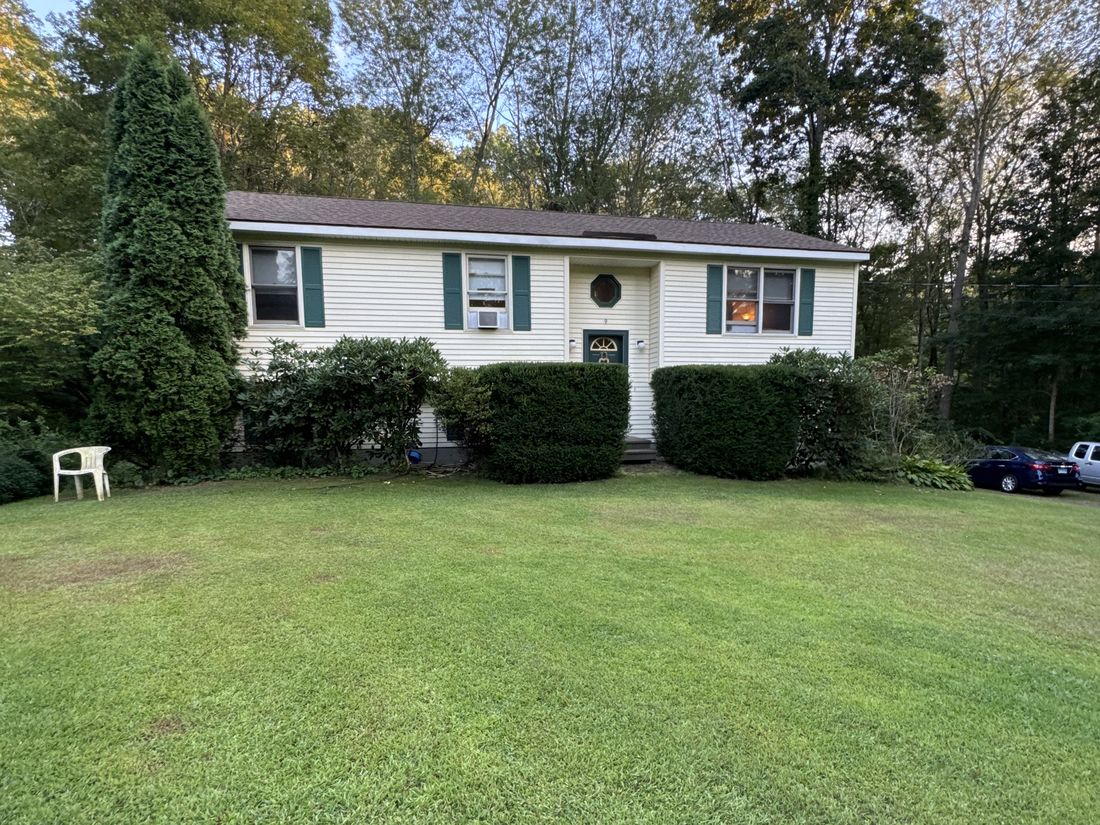
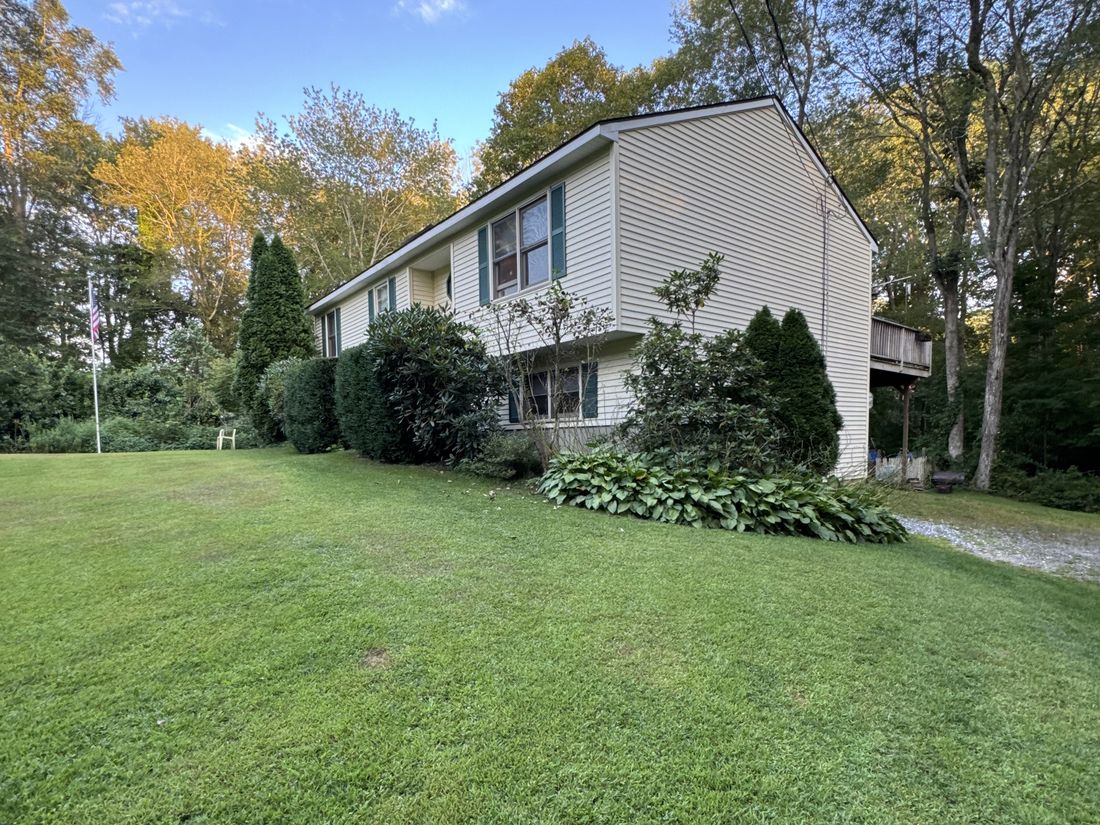
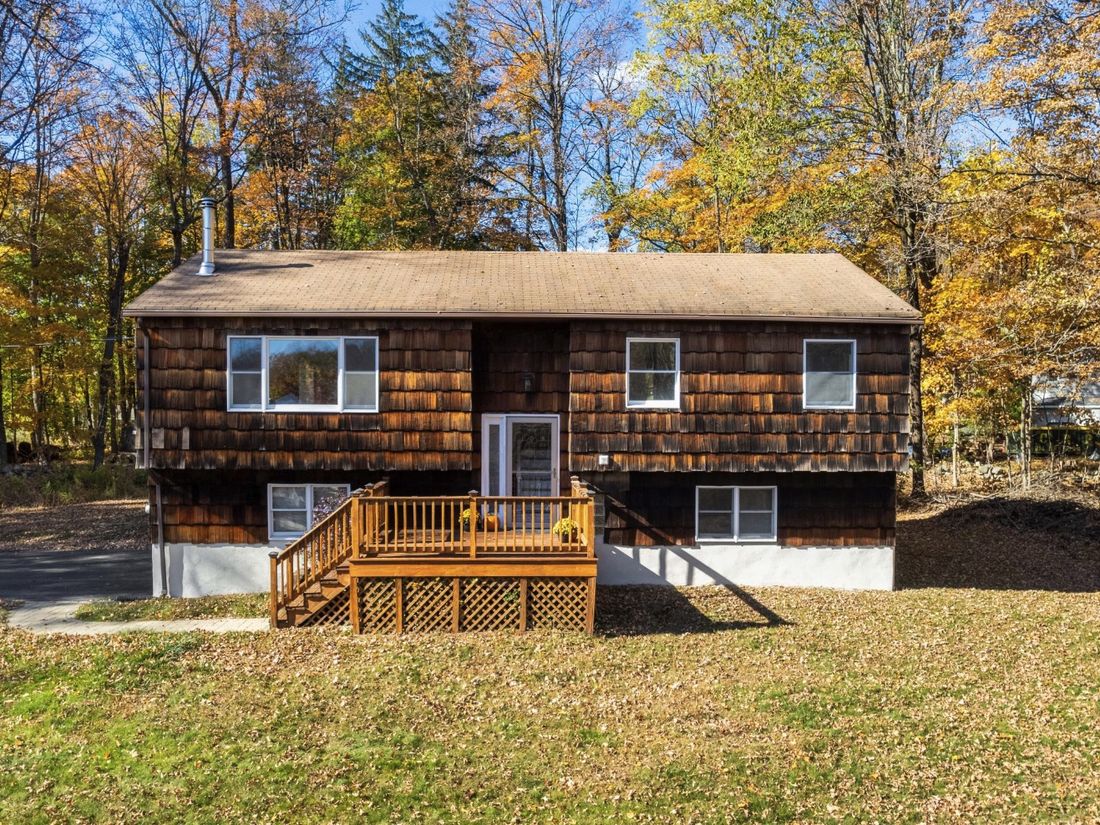
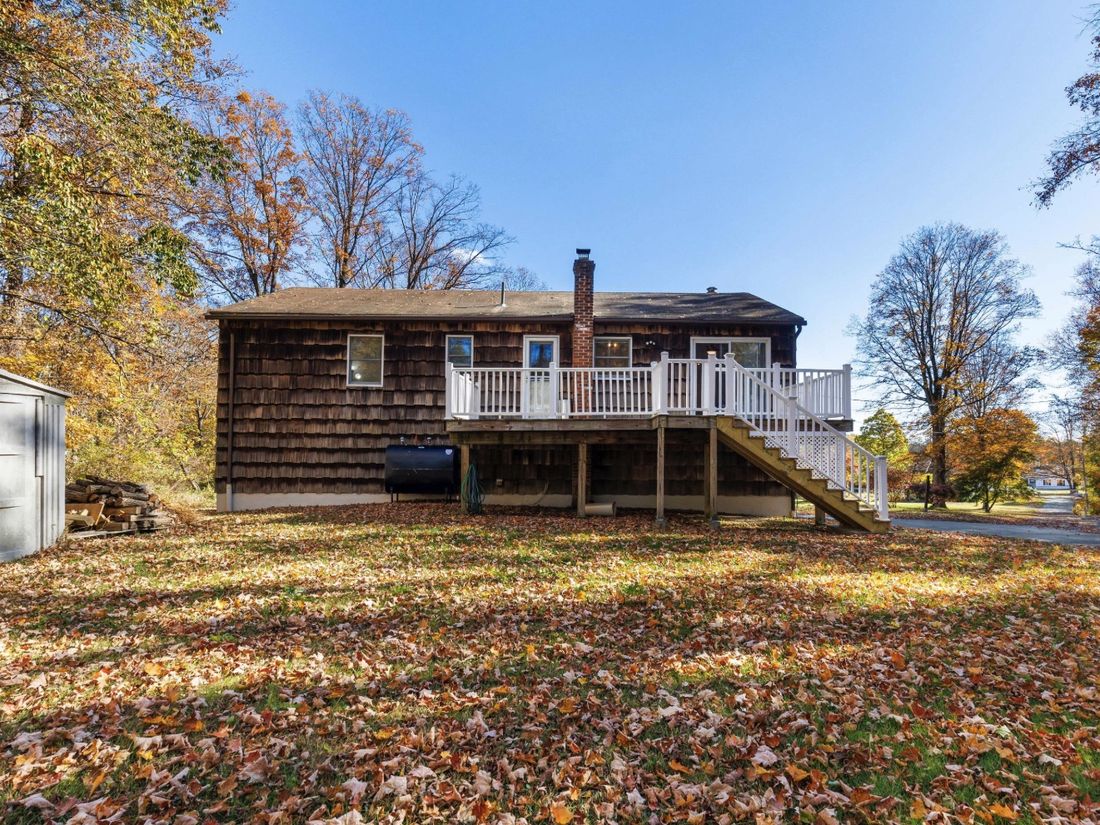
The owners of this Granite Springs Road High Ranch bought it new, or close to it. The house went up in 1979 and they had been in it ever since — more than forty-five years in the same rooms, on the same acre, in the same corner of northern Westchester.
Four bedrooms. Two and a half baths. Dual living spaces. A full one-acre lot. In 1979, with a family to raise, all of that was the point. By the time they called us, in their late seventies and eighties, every one of those numbers had become a maintenance obligation.
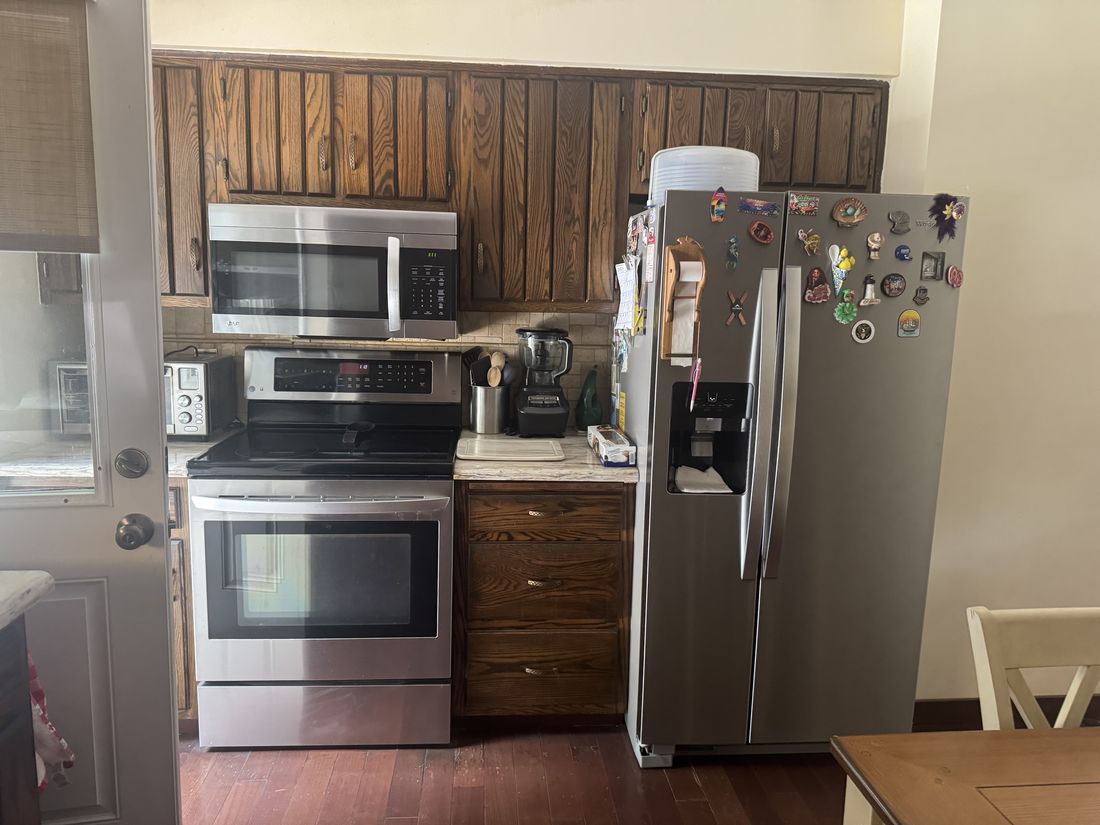
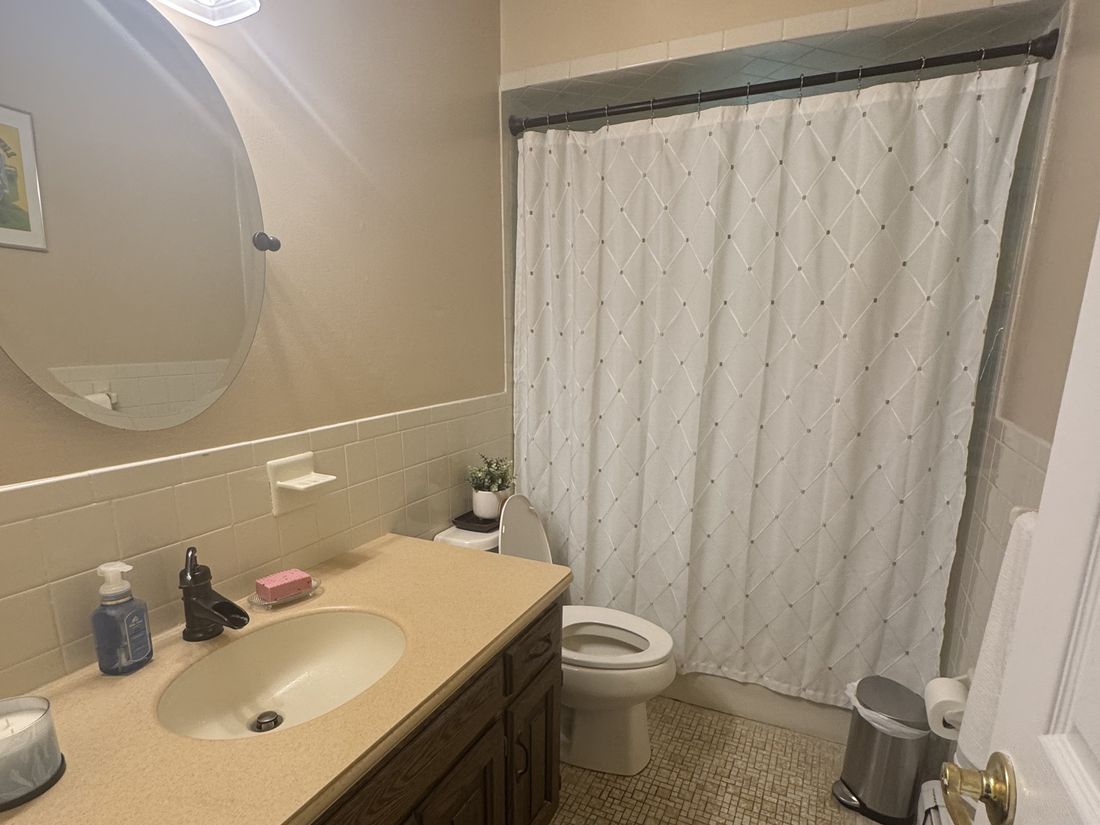
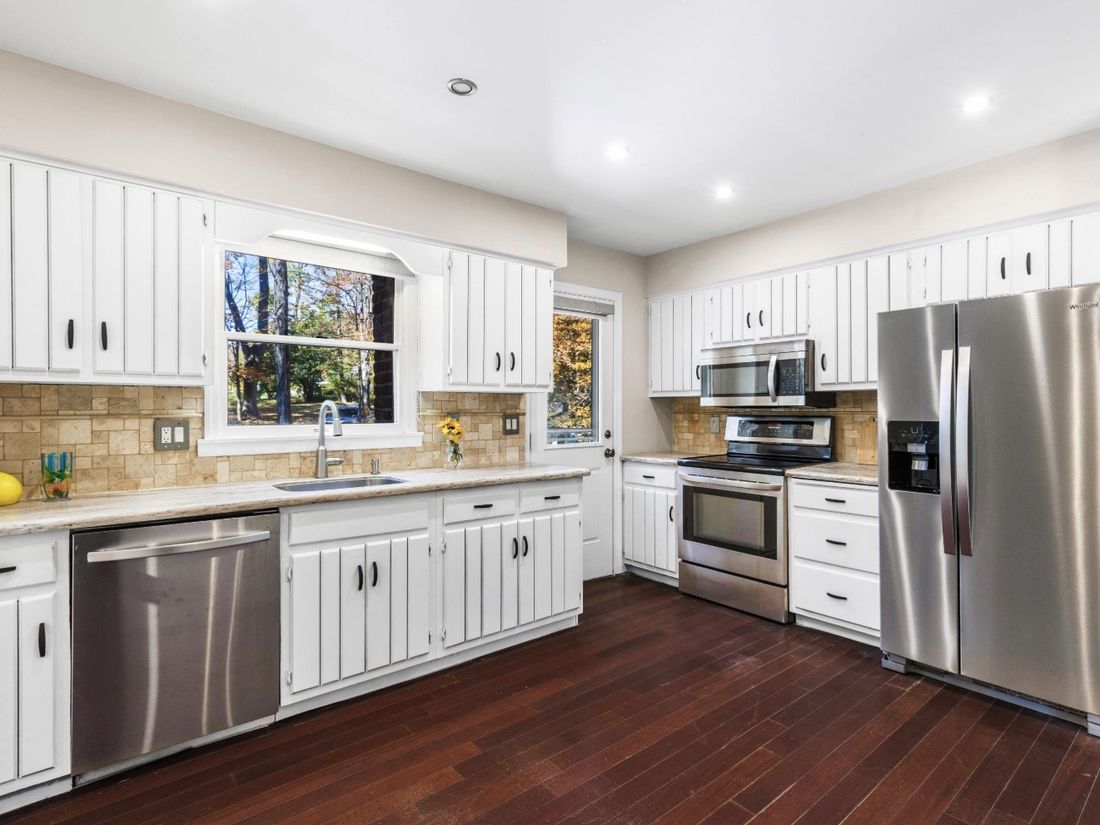
The house itself was sound. That is worth saying clearly, because it shaped everything about how this sale worked. It was clean, structurally solid, entirely livable, and cared for by people who had looked after it properly for four decades. What it was not was current. The finishes were original — the dark wood kitchen, the panelling, the bathroom fittings, all of it exactly as specified when Carter was president.
Why They Needed to Move
Two things were happening at once, and the combination is one we see constantly with long-tenure owners.
The first was simply the scale of the property. An acre in Yorktown Heights is a genuine piece of land, and it needs mowing, clearing, and attention through every season. Add a four-bedroom house with dual living spaces, and the ongoing upkeep had become more than they could reasonably manage — not through any failure on their part, but because the house had been sized for a stage of life that had ended some time ago.
The second was a family transition running in parallel: arranging for a live-in relative to move into care. Anyone who has done this knows it consumes an extraordinary amount of time and emotional energy — facilities, assessments, finances, paperwork, family discussion. It is not a process that leaves capacity spare for staging a house and hosting open houses on weekends.
When someone has lived somewhere for four decades, the hardest part of selling is almost never the property. It is the forty-five years of belongings inside it, and the time required to sort through them. A conventional listing wants the house decluttered, staged and photographed before it goes live, and then kept show-ready for weeks. For an older seller already managing a family care transition, that requirement alone can make selling feel impossible.
What They Actually Needed
They were explicit about it, which helped. They wanted a simple, direct exit. No open houses. No repair demands after an inspection. No pre-sale renovation of a house they were leaving. And critically, no pressure to be out on someone else's schedule.
That last point drove the structure of the deal. We built the sale around an extended packing and relocation timeline — they needed real time to sort through forty-five years, decide what came with them, and coordinate the move alongside the care arrangements for their relative. Rushing that would have been both unkind and impractical.
So the closing was structured to fit their calendar rather than ours. They took the time they needed. Nothing about the sale forced the pace of the rest of their lives.
What We Did With the House
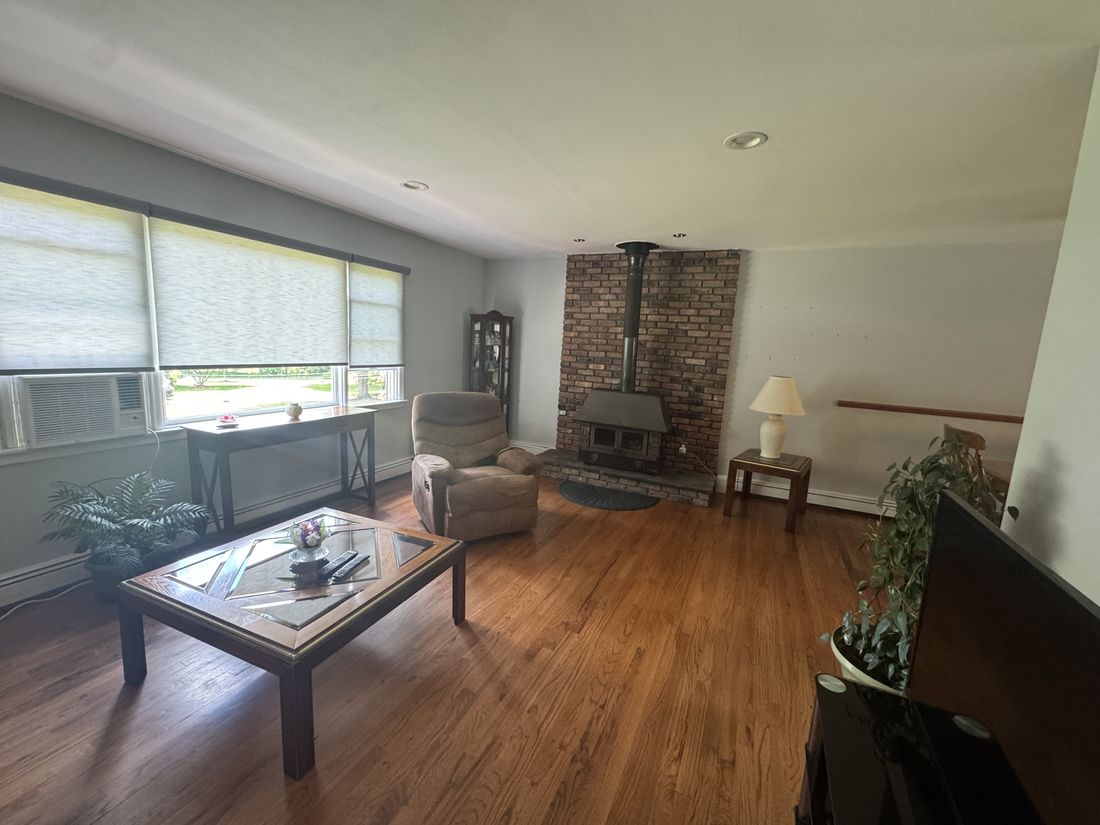
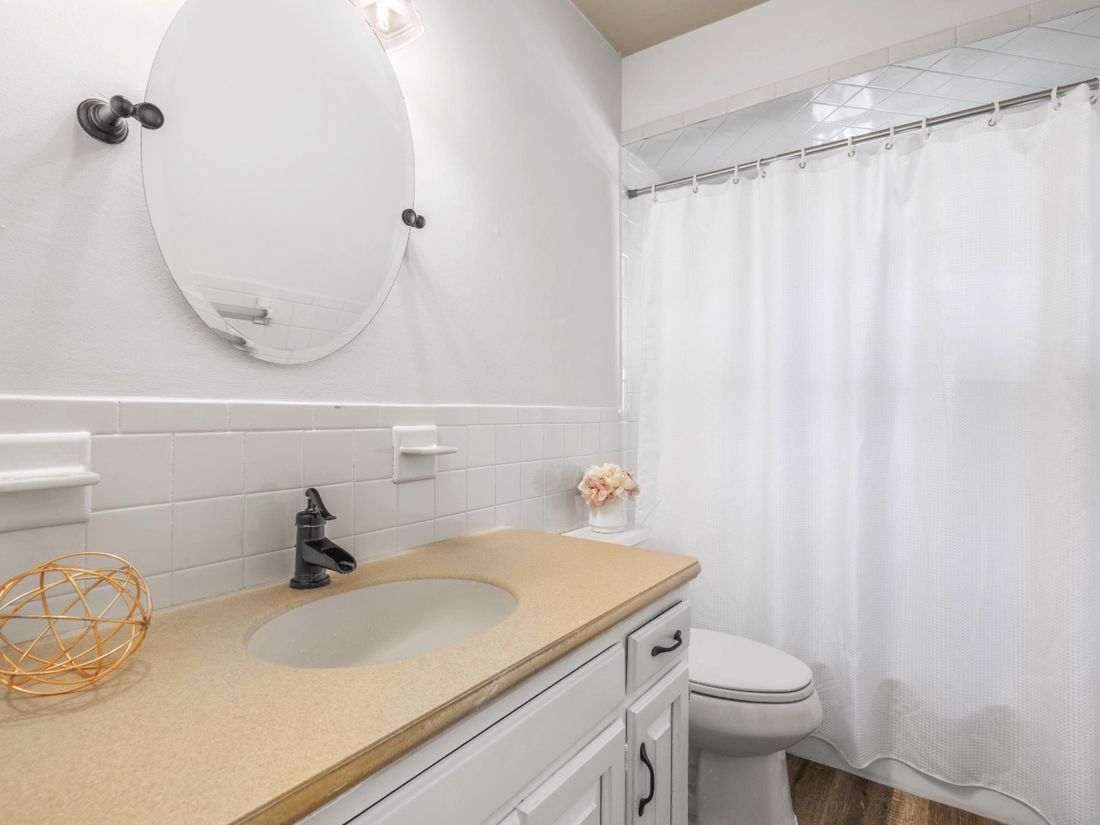
The before and after photos in the gallery below tell this part better than description can. Because the structure was genuinely sound, the work was about bringing a well-kept 1979 house into the present rather than rescuing it:
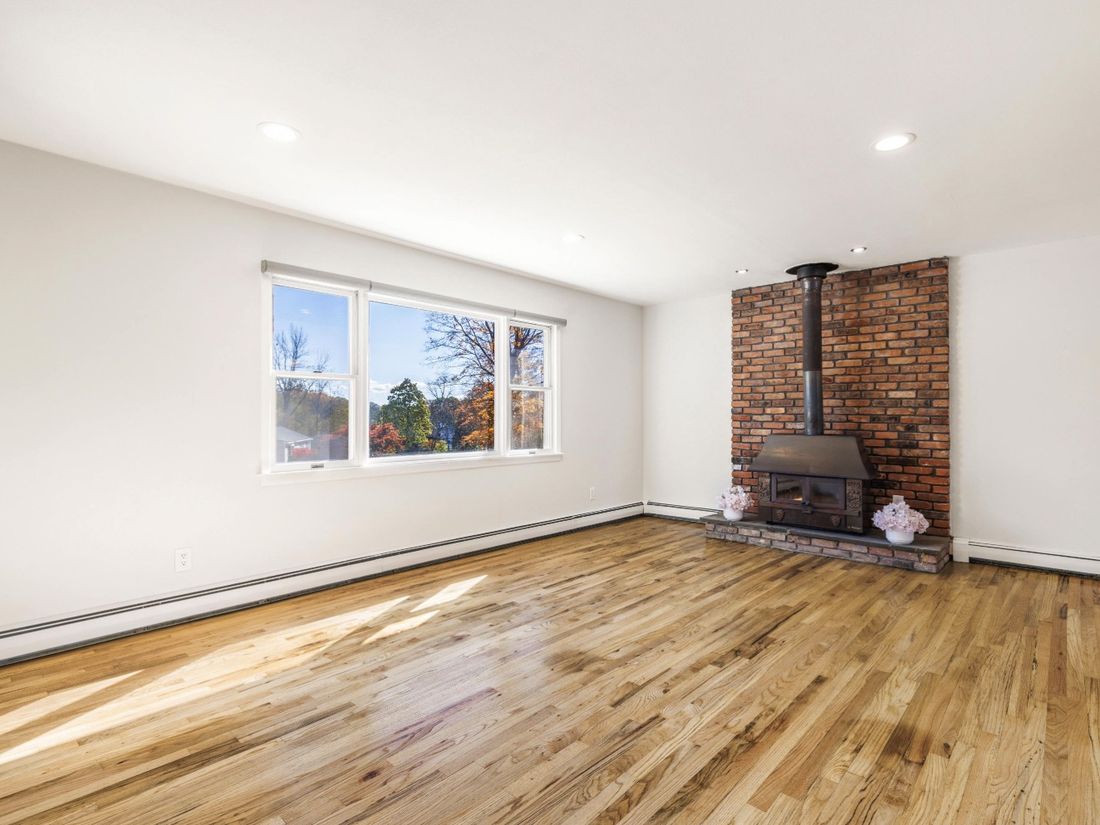
- Hardwood floors refinished throughout, revealing what had been under four decades of use
- A new kitchen with white shaker cabinetry, stone counters and stainless appliances
- Bathrooms updated with new vanities and fittings
- The brick hearth and wood stove kept — original to the house and worth keeping
- Exterior refreshed with cedar shake, and the entry and rear decks rebuilt
We mention the wood stove deliberately. Not everything original should be replaced. A house that has been loved for forty-five years usually has a few things worth carrying forward, and stripping them out to hit a generic renovation aesthetic is a genuine loss.
Downsizing in Westchester — The Honest Picture
If you are considering the same move, here is the situation as it actually is rather than as an agent's listing presentation might frame it.
Your house probably has real value. Northern Westchester property held for decades has usually appreciated substantially, and long-tenure owners frequently have little or no mortgage remaining. That is a strong position, and it means you have options.
But dated finishes cost you disproportionately on the open market. Buyers paying Westchester prices generally expect to move in without immediately gutting the kitchen. A structurally excellent home with 1979 finishes tends to attract either renovation-minded buyers who price the work aggressively, or buyers who want a discount and then request further concessions after inspection.
And the carrying costs continue while you wait. Westchester property taxes are among the highest in the country, and they do not pause during a listing period. Every additional month on market has a real number attached. If your taxes have become a significant part of why you are moving at all, our guide to what to do when Westchester property taxes are too high covers grievance filing and the other options available.
So the trade is genuine, and worth stating plainly: listing a home like this on the open market, after investing in updates and staging, will often produce a higher gross figure. A direct sale produces certainty, no repair obligations, no showings, and a timeline you control — at a price that reflects the work the buyer is taking on. Neither answer is universally correct. Our side-by-side comparison lays both out without spin.
What tips the balance for most people in this position is not money. It is that they are managing something else at the same time — a health situation, a care transition, a move to be nearer family — and the bandwidth a retail sale demands simply is not there.
Practical Notes for Long-Tenure Sellers
- You do not have to empty the house. Take what matters. Leave the rest — furniture, appliances, the contents of the attic and garage. Clearing decades of accumulation is the single most exhausting part of downsizing, and it is work we handle routinely.
- Check whether there is an oil tank. Homes of this era frequently have them, sometimes buried and long forgotten. They surface at the worst possible moment in a financed sale. Our guide to selling a house with a buried oil tank explains the options.
- Understand the 2024 disclosure changes. New York's property condition disclosure rules changed, and the previous practice of offering a credit instead of completing the statement is gone. See our explainer on the 2024 disclosure law.
- Talk to your accountant about the capital gains exclusion. After forty-five years of appreciation, the gain on a Westchester home can be substantial. The primary-residence exclusion may cover much of it, but the numbers deserve a professional look before you sign anything. We are not tax advisers and will not pretend otherwise.
- Bring your family into it early. Sales involving older owners go far more smoothly when adult children are informed from the start rather than surprised at the end.
Situations We Handle Like This One
This project sits squarely in our downsizing work, but the same structure applies when owners are relocating to be closer to family, when a house has been inherited and nobody local can manage it, when a property needs substantial work the owner will not undertake, or when there are tax liens to clear. If you are handling a house from another state, our guide to managing an inherited house from out of state covers the logistics. For current pricing context, see our 2026 market outlook.
Where We Buy in Westchester and the Hudson Valley
Yorktown Heights is core territory for us. We buy across northern and southern Westchester, Putnam and Rockland: Yorktown Heights, Ossining, Peekskill, White Plains, Yonkers, New Rochelle, Mount Vernon, Port Chester, Carmel, Mahopac, Brewster, Nyack, Nanuet, New City and Spring Valley. The full list is on our locations page.
If you would like to understand the process before speaking to anyone, read how it works, what sellers say about us, and who we are.
Downsizing in Westchester — Common Questions
I've lived here 40 years. Do I have to clear the house out before selling?
No. Take what matters to you and leave everything else — furniture, appliances, tools, the contents of the attic, basement and garage. On this Yorktown Heights sale the owners needed an extended period simply to sort through decades of belongings, and we built that time into the closing schedule. Clearing a long-held house is genuinely the hardest part of downsizing, and removing it from your list is a large part of what a direct sale is for.
Can I stay in the house for a while after closing?
Often yes, and it is worth asking for. Arrangements vary — a delayed closing date, or in some cases a post-closing occupancy period — but the underlying point is that the calendar is negotiable. We structured this sale around the sellers' packing and relocation timeline because they were coordinating a family care transition at the same time. Tell us what you need and we will try to build the deal around it.
Will I get less selling directly than listing with an agent?
Usually the gross figure is lower, and we would rather say so plainly. What you trade it for is certainty, speed, no repairs, no showings, no commission, and control of the timeline. For a house with dated finishes the gap is often narrower than people expect, because open-market buyers price the renovation aggressively and then frequently request further concessions after inspection. Our honest comparison lays both columns out.
My house is dated but in good condition. Is that a problem?
Not for us — that is close to an ideal purchase, and it describes this Yorktown Heights home exactly. Well-maintained, structurally sound, original finishes. On the open market, though, dated finishes do cost you disproportionately at Westchester price points, because buyers there generally expect not to have to renovate immediately. A sound house with a 1979 kitchen attracts renovation-minded buyers who price the work into their offer.
What happens to belongings we leave behind?
We handle the clearing. Anything genuinely valuable we will flag to you rather than dispose of it — sellers regularly find things in a forty-year house they had forgotten and would not have wanted to lose. Beyond that, usable items are donated where practical and the remainder is removed. You do not need to arrange skips, haulage or an estate sale.
Should my adult children be involved in the sale?
In our experience these sales go considerably better when family is informed from the beginning. We are happy to speak with adult children, to have them present for the walkthrough, or to copy them on correspondence — whatever you prefer. What causes friction is family finding out about a signed contract after the fact. If you would like your children involved, say so at the first conversation.
Do I need to fix anything before you'll buy?
Nothing. No repairs, no cleaning, no painting, no landscaping, no pre-sale inspection. Our offer accounts for the property's condition as it stands, and there is no renegotiation afterwards based on an inspection report — a common and unpleasant surprise in retail sales, where a buyer returns after inspection asking for credits you had not budgeted for.
What about capital gains tax after owning for decades?
This is a genuine consideration after forty-five years of appreciation, and it is a question for your accountant rather than for us. The federal primary-residence exclusion covers a substantial amount of gain for qualifying sellers, and there are rules about occupancy periods that matter. We are not tax advisers and will not pretend to be — but we would strongly encourage anyone in this position to get proper advice before signing, not after.
How long does the whole process take?
The offer takes about 24 hours once we have seen the property. After that the timeline is largely yours. We can close in as little as a week when title is clear, or take considerably longer if you need months to pack and coordinate a move — which is what happened here. New York closings run through attorneys on both sides, and that process is straightforward when there is no lender involved.
Do you buy houses in Yorktown Heights and northern Westchester?
Yes. Yorktown Heights is core to our market, along with Ossining, Peekskill, Somers, Cortlandt and the surrounding northern Westchester and Putnam communities. Larger lots, older homes and long-tenure owners are common there, and this project is a fairly typical example of the kind of sale we handle.