Selling a House
Next to the Tracks
The Situation
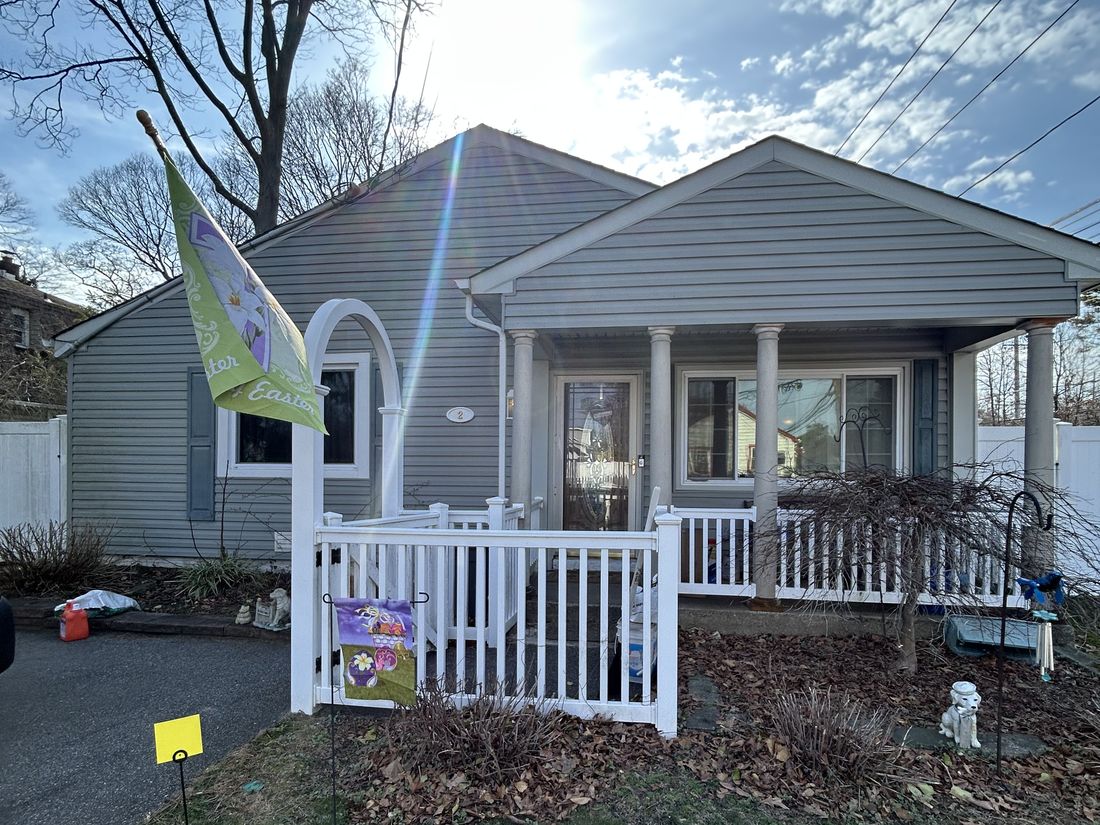
The owners of this West Babylon ranch were leaving New York. His wife had retired, they had decided on North Carolina, and they had a date. What they wanted from a home sale was not the highest theoretical number — it was certainty, on a schedule they had already committed to.
That is a more common position than it sounds, and it is one where the standard advice serves people badly. "List it and see what happens" works fine when you have somewhere to live and no deadline. It works very poorly when you have already told family you are arriving in a particular month.
What the House Had Going For It
This was not a neglected property. The previous years had seen real money spent on the things that actually matter structurally and mechanically:
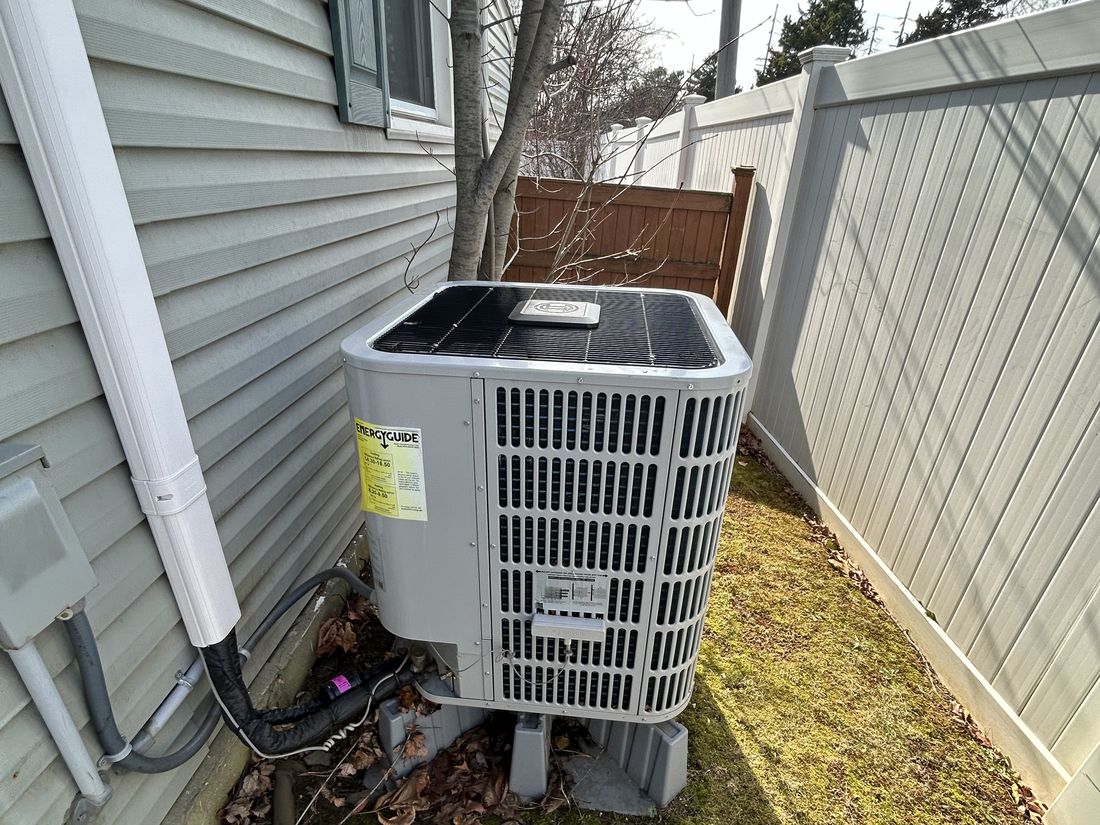
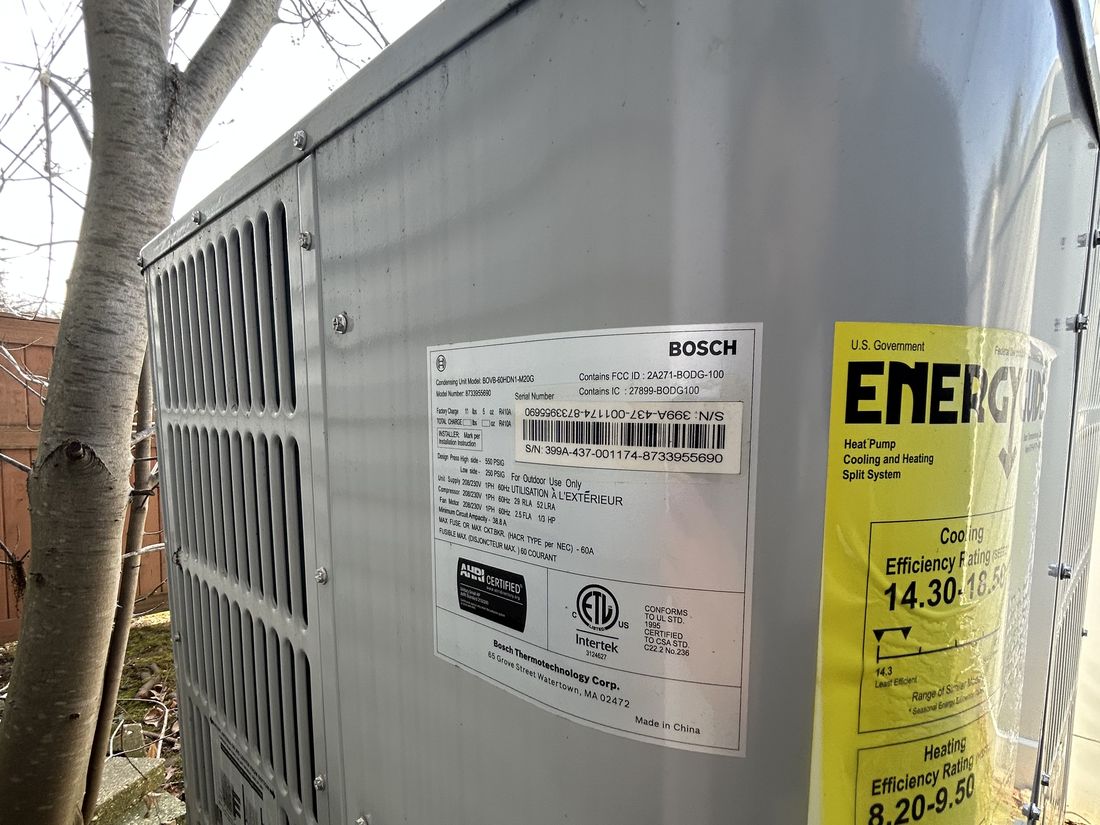
- A newer HVAC system
- An updated water heater
- Refreshed insulation
- A replaced roof
Those are exactly the items that terrify buyers and derail inspections, and here they were already handled. On a purely mechanical assessment, the house was in good order.
The Two Things Working Against It
1. It sits on the rail corridor
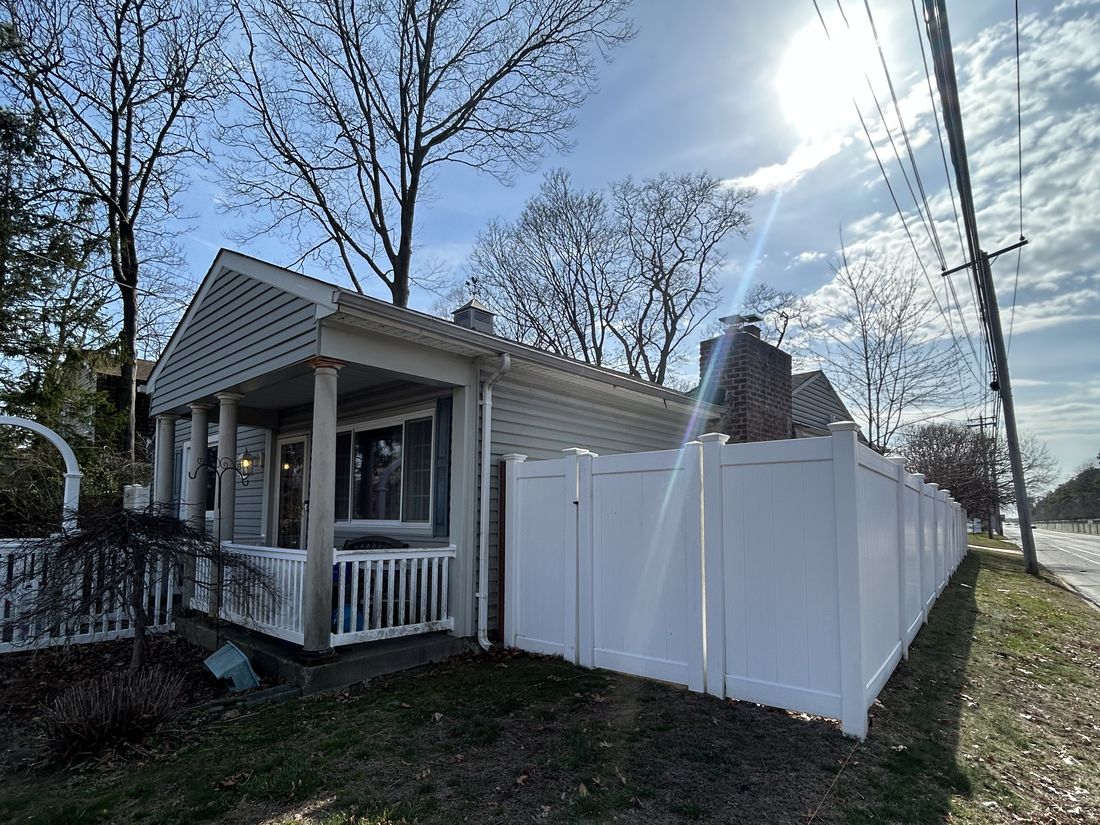
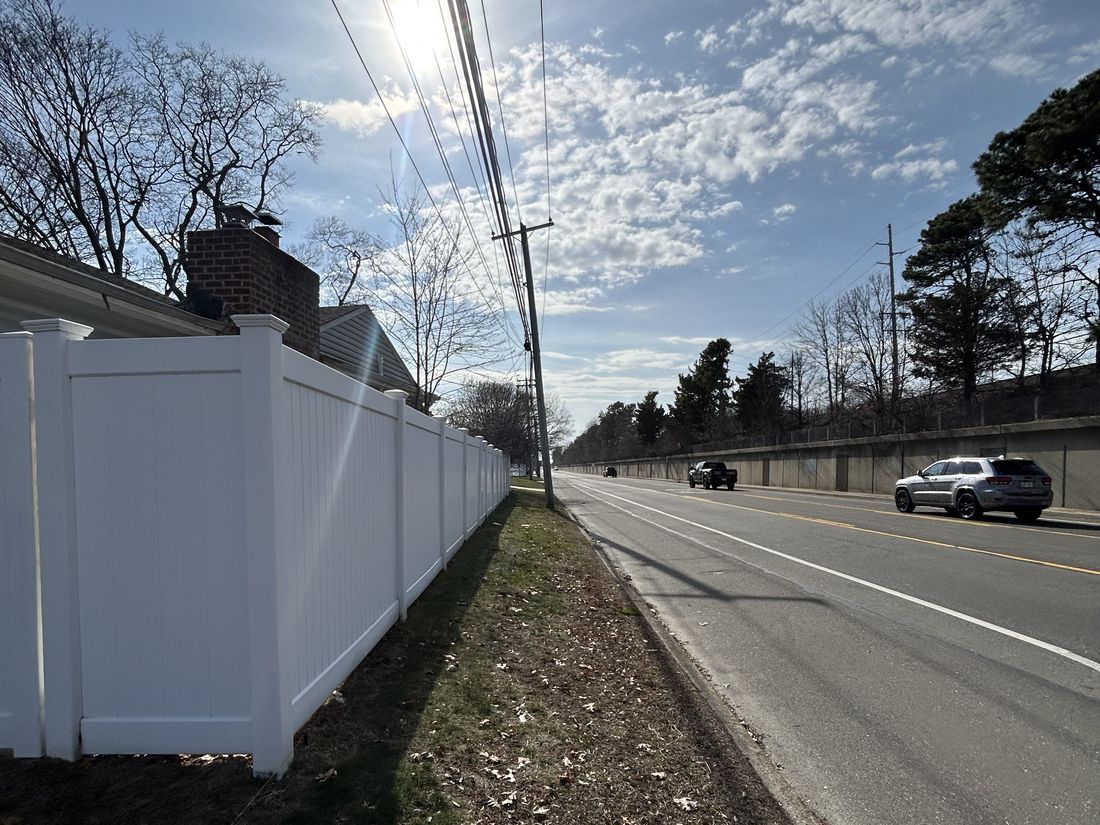
The property sits directly along the railroad, on a corner lot fronting a busy roadway. In appraisal language this is external obsolescence — a reduction in value caused by something outside the property lines that the owner cannot fix, remove or renovate away.
This matters more than most sellers expect, and it matters in a specific way. It does not reduce value by some fixed percentage. It shrinks the buyer pool. A meaningful share of buyers will simply exclude the house — some at the listing photos, some after standing in the yard for ninety seconds. The buyers who remain know the house has fewer competing bidders, and they price accordingly.
It also complicates the appraisal itself. An appraiser has to find comparable sales that share the condition, and on a street where only a handful of houses back the tracks, those comparables can be thin, old, or absent. That is how financed deals on rail-adjacent homes end up stalling: not because the buyer changed their mind, but because the valuation could not be supported.
You can renovate a kitchen. You can replace a roof. You cannot move a railway. Every dollar you spend improving a house with a permanent location issue runs into the same ceiling — the pool of buyers willing to accept that location at all. This is why sellers of rail-adjacent, highway-adjacent and flight-path homes so often report the same experience: heavy investment in improvements, followed by offers that behave as though the improvements were not there.
2. The interior was severely chopped up
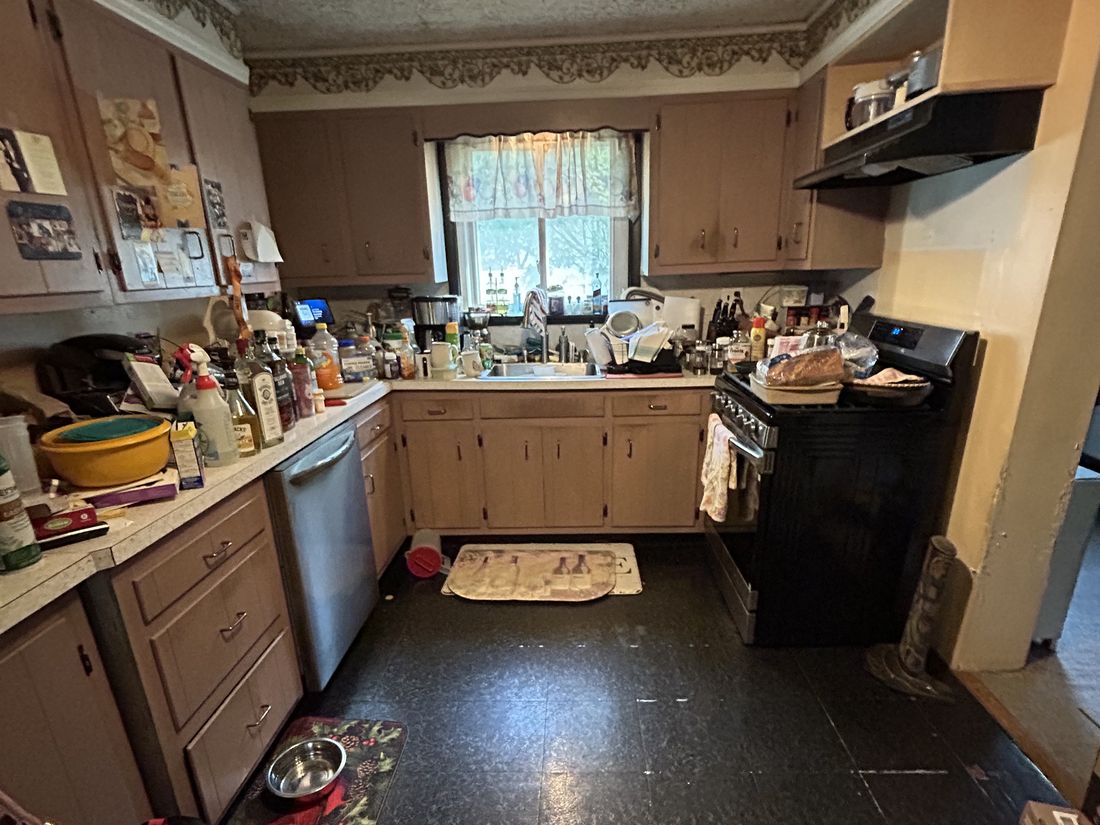
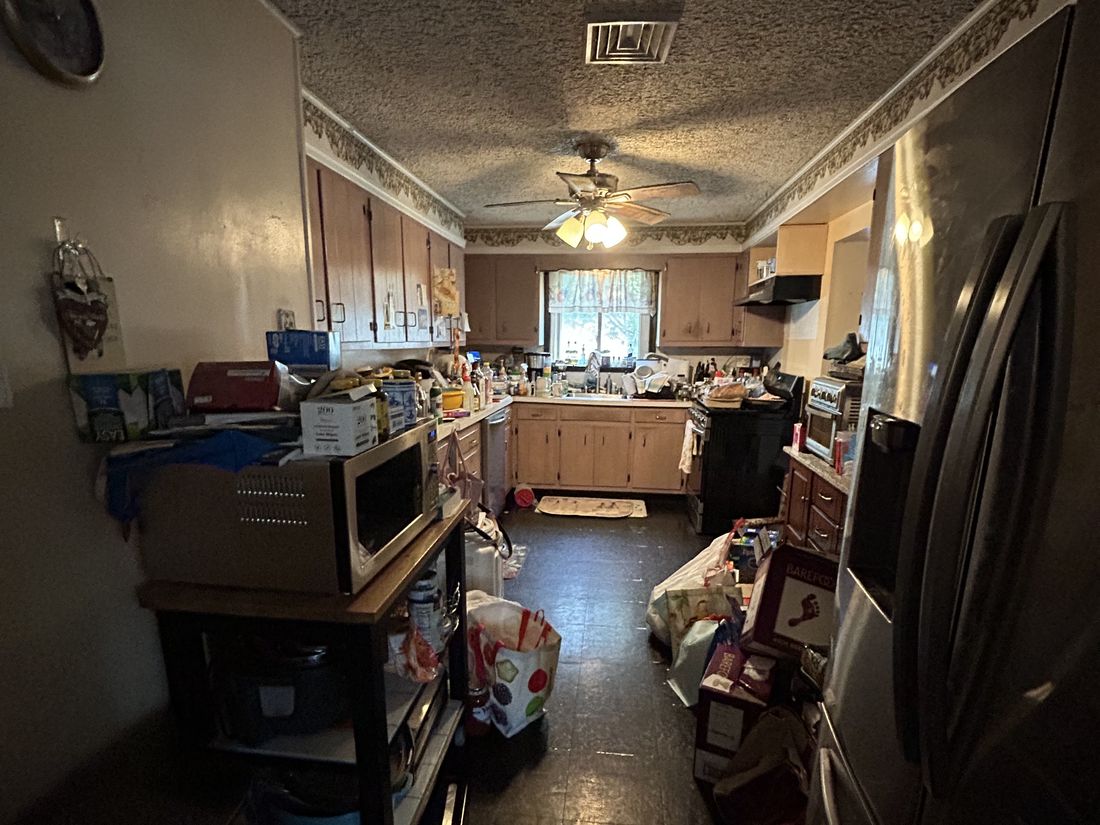
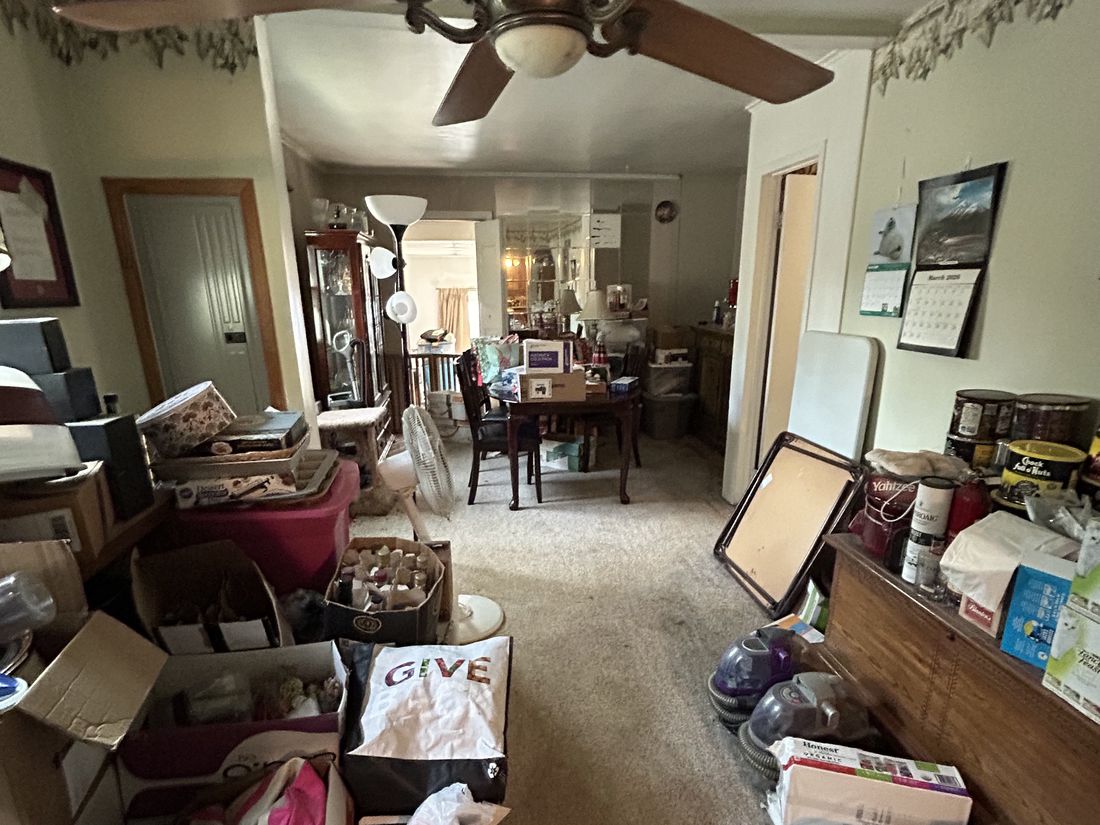
The layout was the second issue, and in some ways the more expensive one. The main living space and kitchen were carved into awkward, separated rooms — partitions and doorways creating small compartments where a modern buyer expects sightlines.
Fixing that properly is not cosmetic work. Opening the main living space and kitchen into a genuine open-concept plan means structural evaluation, potentially load-bearing walls, and consequent electrical, HVAC and finish work throughout. It is precisely the kind of project a seller should not begin three months before a planned relocation.
How We Structured It
Our offer accounted for both the location and the reconfiguration work — honestly and explicitly, which is the only way to have that conversation. A house with a permanent location constraint and a layout requiring structural work is worth what it is worth, and pretending otherwise wastes everyone's time.
What we could offer that a listing could not was control of the calendar. We agreed a clean cash purchase and a lockbox key arrangement, so the sellers did not have to remain in New York to manage access, showings, an inspection period, an appraisal, or a closing that might move. They set the date. They went south. We took the house from there.
No open houses. No strangers walking through a home still full of a lifetime of belongings. No pre-sale renovation. No waiting to discover whether a buyer's mortgage would come through.
What This Means If Your House Has a Location Problem
Long Island has a great deal of housing stock affected by exactly this: homes along the LIRR corridor, on Sunrise or Montauk Highway frontage, near commercial uses, under approach paths. If you own one, the honest guidance is different from the general advice.
Consider these questions:
- Have similar homes on your street sold recently, or does everything comparable sit on quieter blocks?
- Is your likely buyer financing? If so, the appraisal is a real risk, not a formality.
- Are you improving the house for yourself, or on the assumption that you will recover it at sale? For a location-constrained home, that recovery is often partial.
- Do you have a fixed date you must move by?
If you have time and the house is otherwise strong, list it — the right buyer for a rail-adjacent home does exist, and some of them genuinely do not mind. If you have a deadline, the arithmetic changes, because a listing that fails costs you the deadline itself.
New York sellers should also be aware that the state's property condition disclosure rules changed in 2024, and the option of simply giving a credit in place of completing the disclosure is gone. Our explainer on the 2024 New York property disclosure law covers what you now have to disclose and why it matters more for older homes.
We buy homes in every one of these situations: owners relocating out of state on a fixed date, houses that need substantial work, inherited property, rentals with tenants in place, homes carrying tax liens, and owners downsizing after retirement. If a lender is already involved, our guide to the New York foreclosure process lays out the timeline.
Further reading that bears on older Long Island and downstate housing: buried oil tanks, which are common in homes of this era and a frequent late-stage deal killer; selling a home in a flood zone; and handling an inherited house from out of state, which shares much of this project's logistics problem.
Where We Buy in New York
West Babylon is in Suffolk County, on Long Island — east of where most of our volume sits. Our core market runs through Westchester, Putnam and Rockland: Yonkers, White Plains, New Rochelle, Mount Vernon, Peekskill, Ossining, Yorktown Heights, Port Chester, Carmel, Mahopac, Brewster, Nyack, Nanuet, New City and Spring Valley. We also buy on Long Island and elsewhere in the state — see the full list of areas we serve.
Want the process first? Read how it works, our honest comparison against listing with an agent, and what sellers have said.
Selling a Home Near Railroad Tracks — Common Questions
How much does being next to railroad tracks reduce a home's value?
There is no fixed percentage, and anyone quoting one confidently is guessing. The effect depends on how close the tracks are, how frequently trains run, whether they sound horns near you, whether there is a grade crossing, and what screening exists. What is consistent is the mechanism: proximity shrinks the buyer pool rather than applying a neat discount. Fewer competing buyers means less upward pressure on price, and the buyers who remain know it. On Long Island, where the LIRR runs through dense residential areas, this is a well-understood market feature.
What is external obsolescence?
It is a loss in property value caused by something outside your property lines that you cannot change — a railway, a highway, a commercial or industrial neighbour, an airport approach path, high-tension lines. Appraisers treat it as incurable, which is the important word. Physical problems inside the house can be fixed and the value recovered. External obsolescence cannot, which is why improvements to an affected home tend not to return what the same improvements would elsewhere.
Will a bank still lend on a house next to the tracks?
Generally yes — proximity to a railway does not make a home ineligible for financing. The practical difficulty is the appraisal. The appraiser must find comparable sales that share the condition, and if very few nearby homes back the tracks, the comparables may be scarce or dated. That is how these deals stall: not a refused loan, but an appraisal that comes in below the contract price, leaving the buyer to cover the gap in cash or the seller to reduce.
Do I have to disclose that my house is next to the railroad?
New York's disclosure obligations changed meaningfully in 2024, and the previous practice of giving a credit in lieu of completing the Property Condition Disclosure Statement is no longer available. Beyond the statutory form, the practical reality is that a railway is not concealable — buyers discover it at the first visit. Attempting to downplay it wastes weeks and damages trust at exactly the wrong moment. Our guide to the 2024 New York disclosure law covers the specifics.
Should I renovate before selling a house with a location problem?
Usually not, and this is where owners of location-constrained homes lose the most money. Renovation returns are capped by the pool of buyers willing to accept the location at all. You can build the best kitchen on the block and still be competing for the same limited set of buyers, against homes on quieter streets. If the house needs work to be habitable or safe, that is a different question — but renovating to chase a higher sale price on a rail-adjacent home frequently does not return the investment.
What does it cost to open up a chopped-up floor plan?
Considerably more than most sellers assume, because it is rarely just removing a wall. Any wall being removed has to be assessed for structural load, which may require a beam and proper support. Electrical and HVAC routed through that wall must be relocated. Flooring, ceilings and trim then need to be made continuous across the newly joined spaces. It is a genuine construction project with permits and inspections, not a weekend of demolition — and it is not something to start shortly before a planned move.
Can I sell if I've already moved out of state?
Yes, and we structure sales around exactly this. On this project we used a lockbox key arrangement so the owners could relocate to North Carolina on their own schedule while we handled everything remaining locally. New York closings run through attorneys, and remote signing is routine. You do not need to fly back, and you do not need to be present for showings — because with a direct sale there are none.
Do I need to clear out the house before selling?
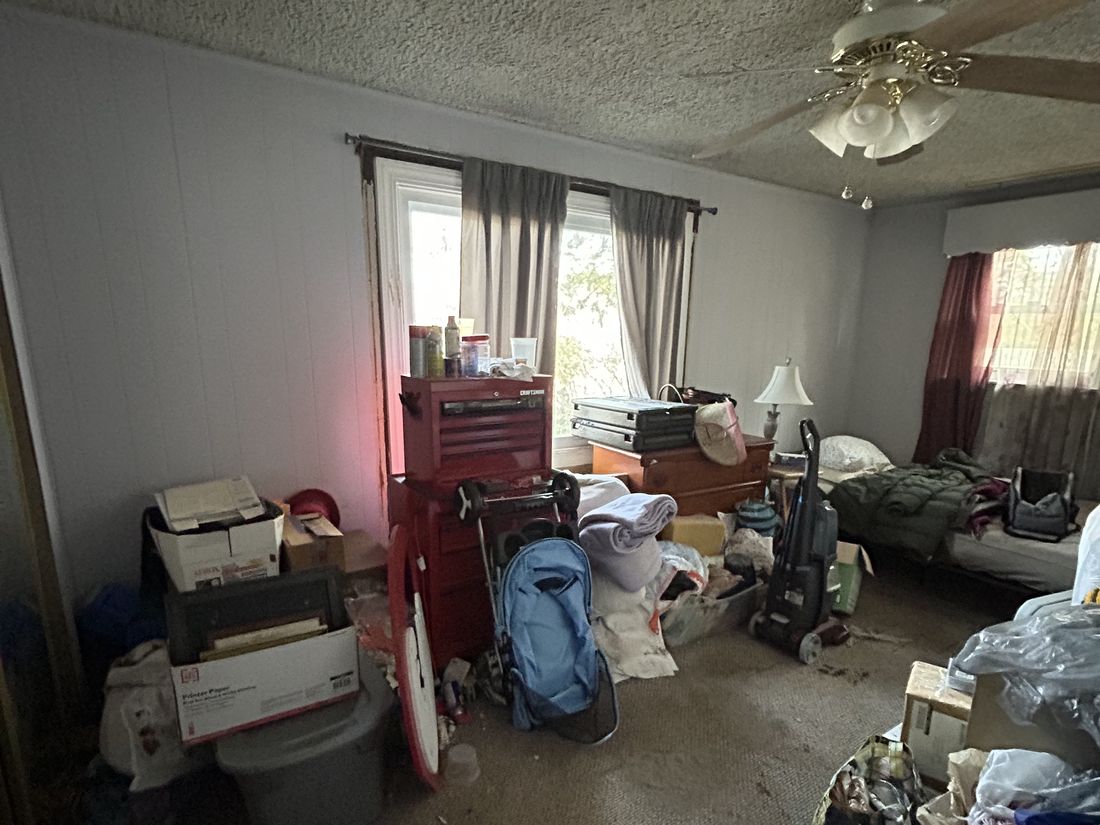
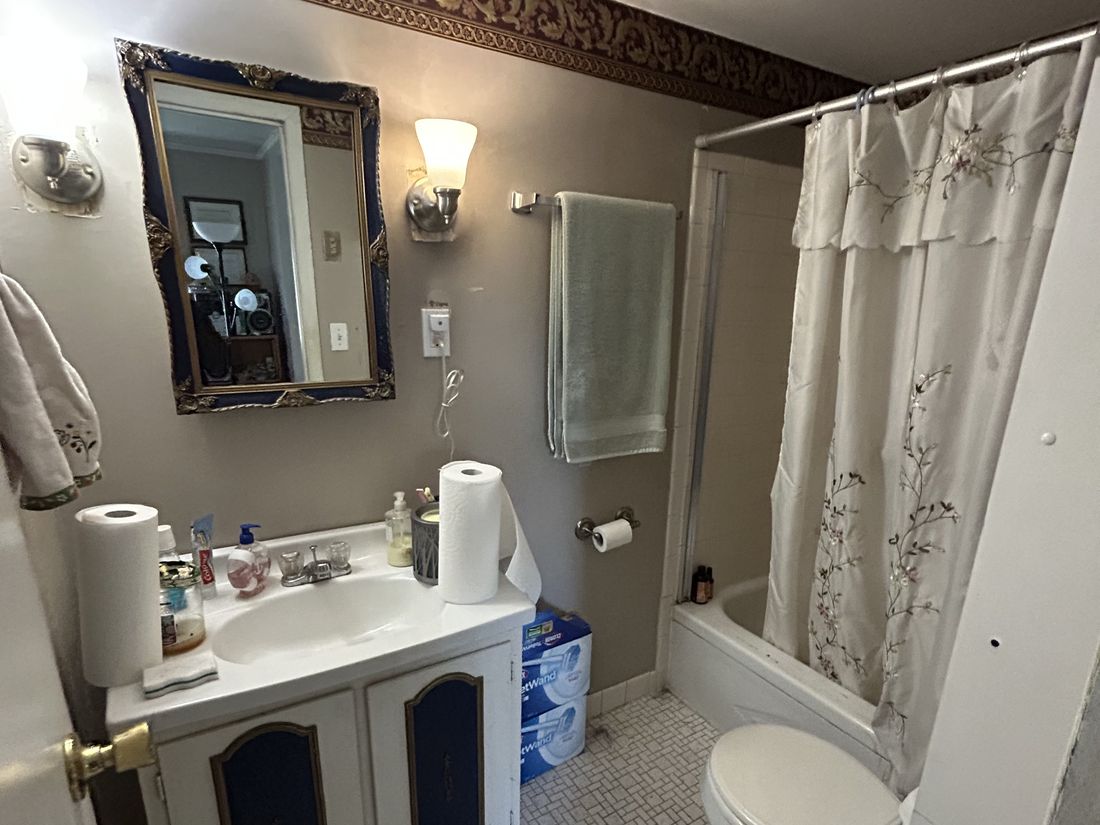
No. This home was full of belongings when we bought it, as the photos show, and that was not an obstacle. Take what matters to you and leave the rest — furniture, appliances, whatever is in the attic and the shed. Clearing a house is one of the more exhausting parts of relocating, and removing it from your list is a large part of the value of a direct sale.
How quickly can you close if I have a moving date?
We can typically make an offer within 24 hours and close in as little as seven days when title is clear. Just as usefully, we can close slowly and on a fixed date if that is what you need — matching your closing to your move rather than the other way round. Sellers with a firm relocation date usually value the certainty of a scheduled closing more than speed itself.
Do you buy houses on Long Island as well as the Hudson Valley?
Yes. Most of our volume is in Westchester, Putnam and Rockland, but we buy throughout New York including Nassau and Suffolk counties. The situations are much the same — relocation deadlines, inherited property, homes needing major work, and location factors like rail and highway proximity that make a conventional listing unpredictable.