Good Bones,
Gut-Job Interior
The Situation
The owner of this Willow Avenue colonial was moving for a reason that needs no explanation to anyone who commutes on Long Island: he wanted to be closer to work. Not a distressed sale, not a financial emergency — a straightforward lifestyle decision, with a house standing between him and it.
The complication was what the house needed.
The Split: Good Bones, Bad Interiors
Properties like this one create a genuinely difficult decision, because the good and the bad are so unevenly distributed.
What was sound:
- A roof about ten years old — well within its service life
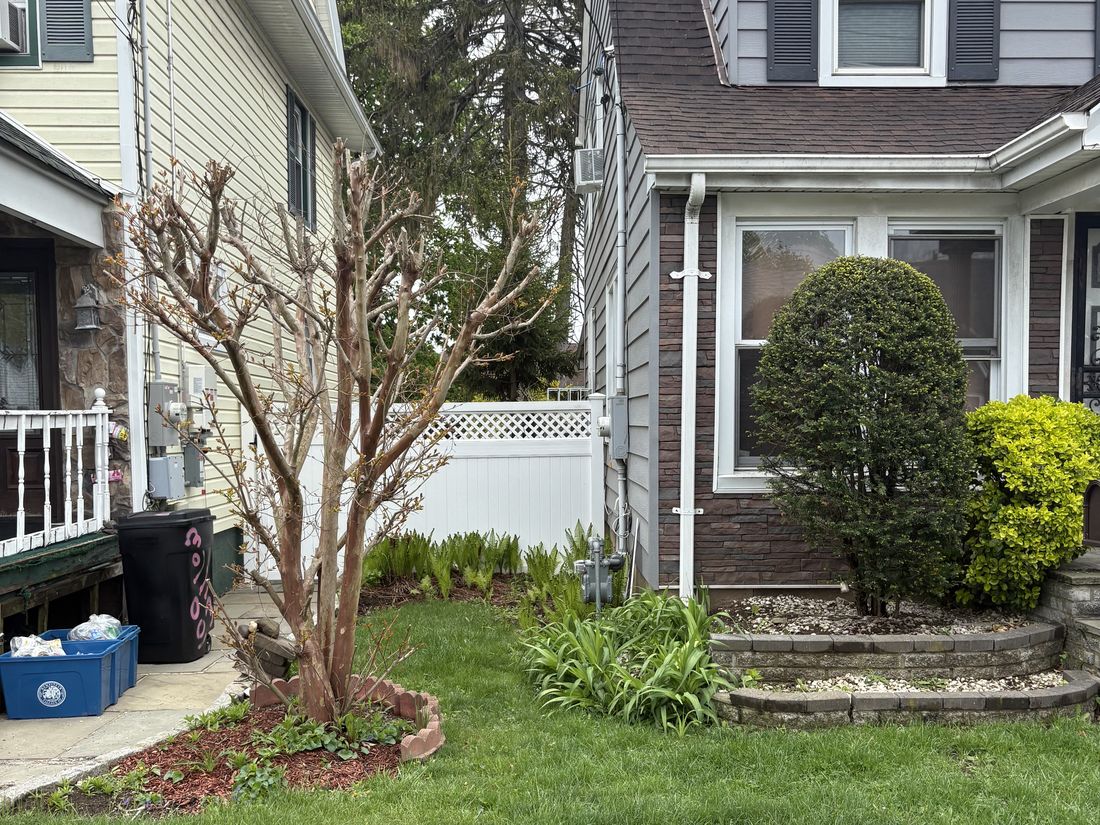
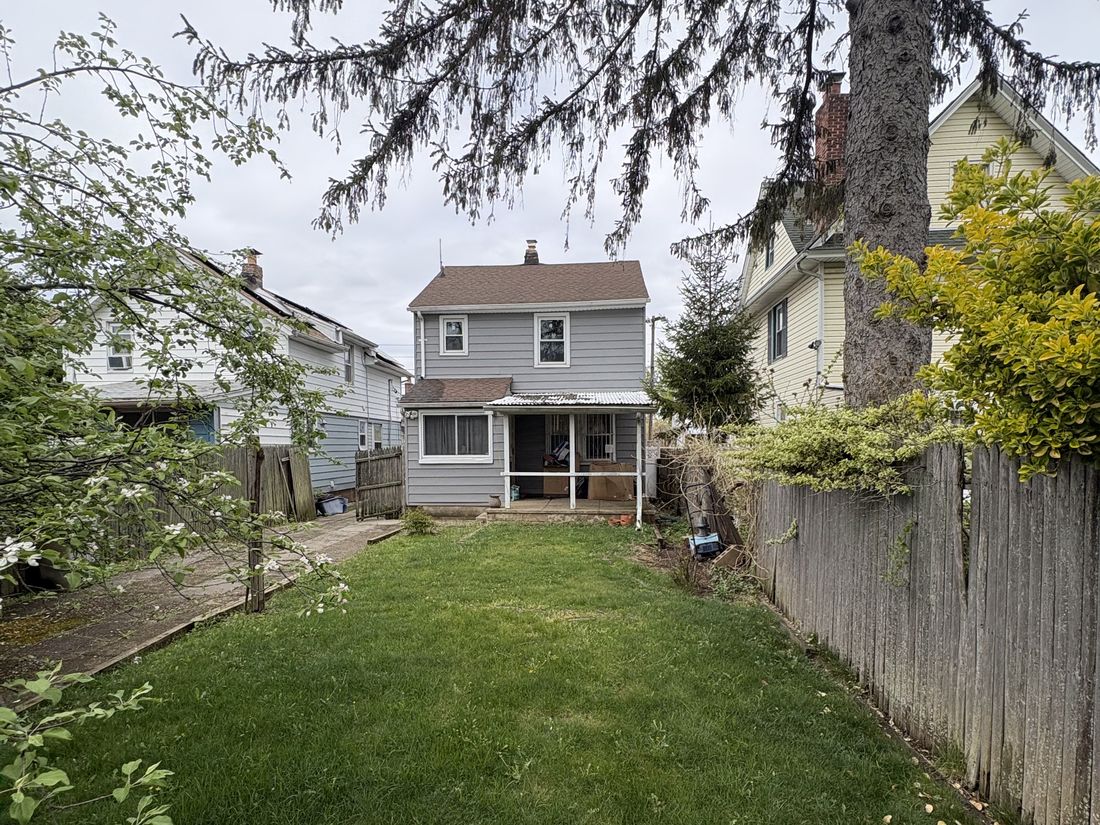
- Vinyl siding in strong condition
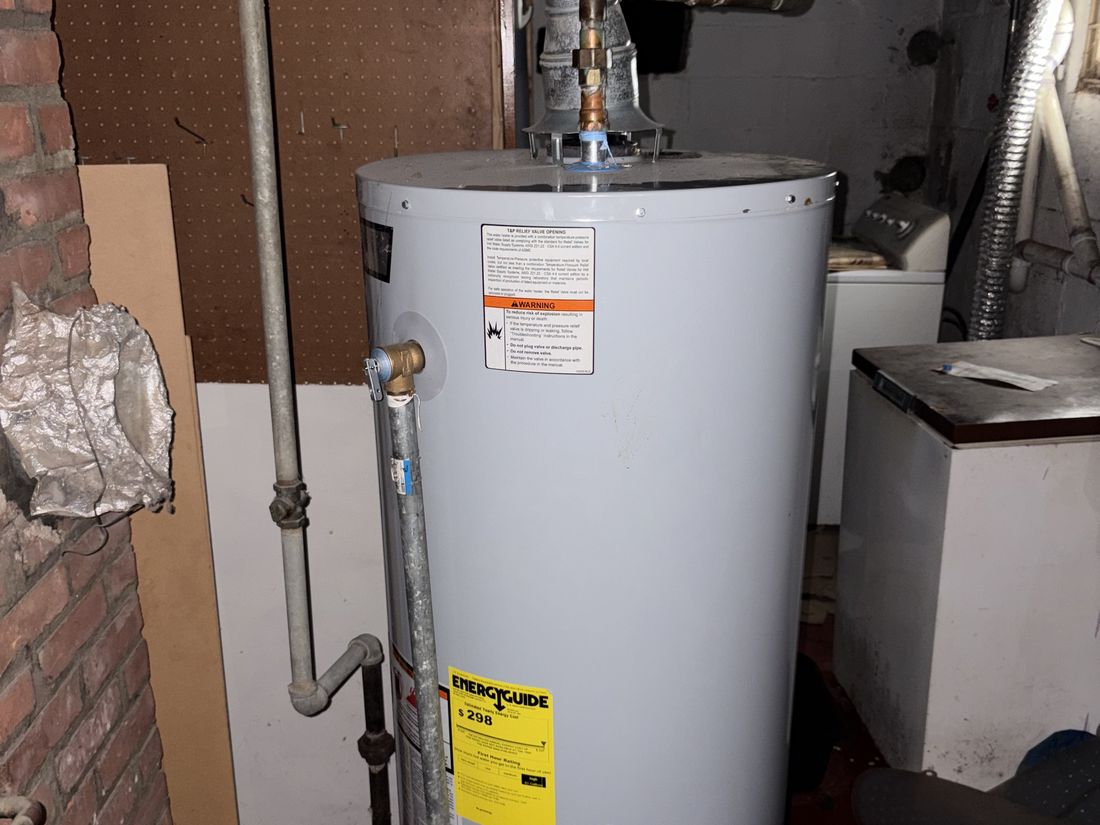
- An updated water heater
What needed real work:
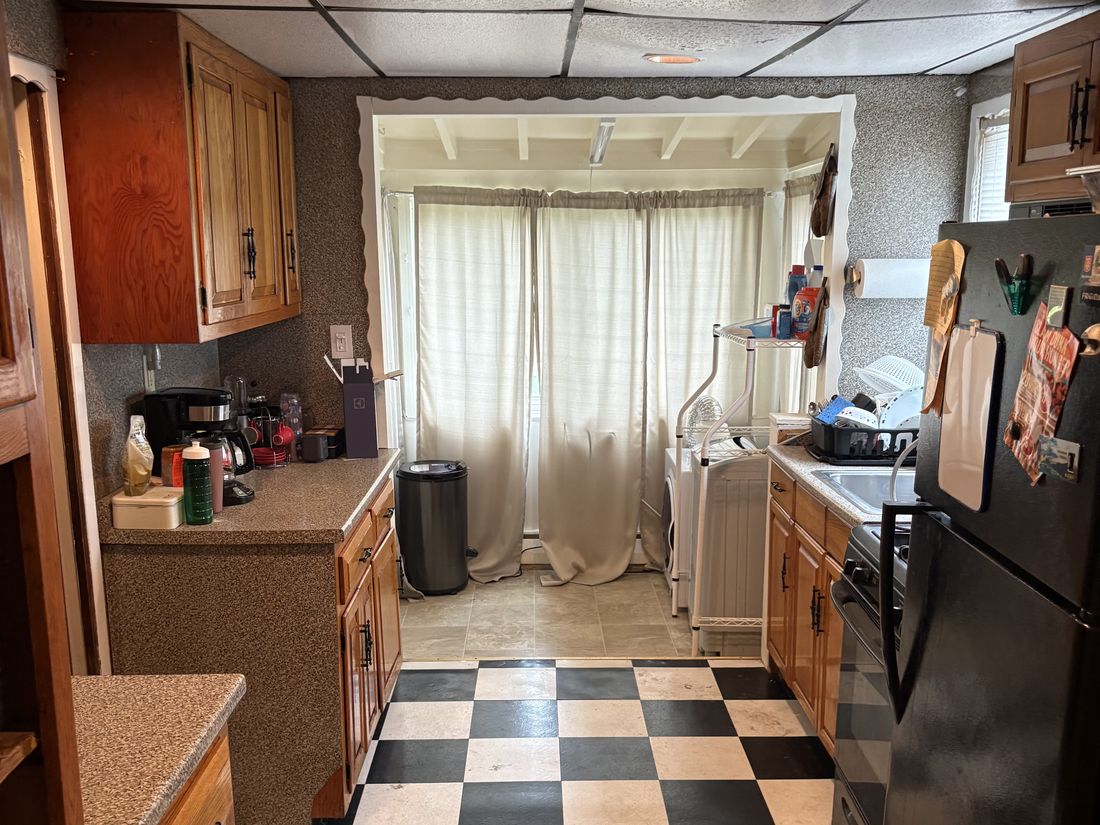
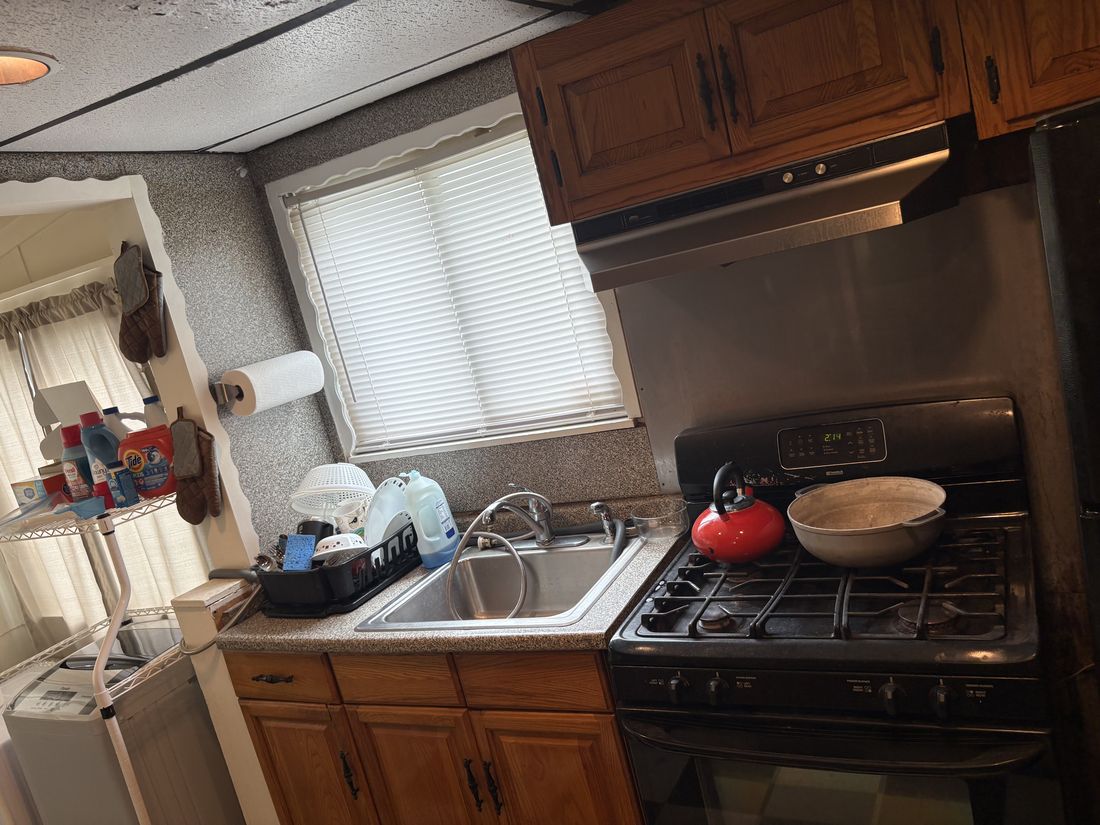
- A kitchen requiring a complete gut, drop ceiling and all
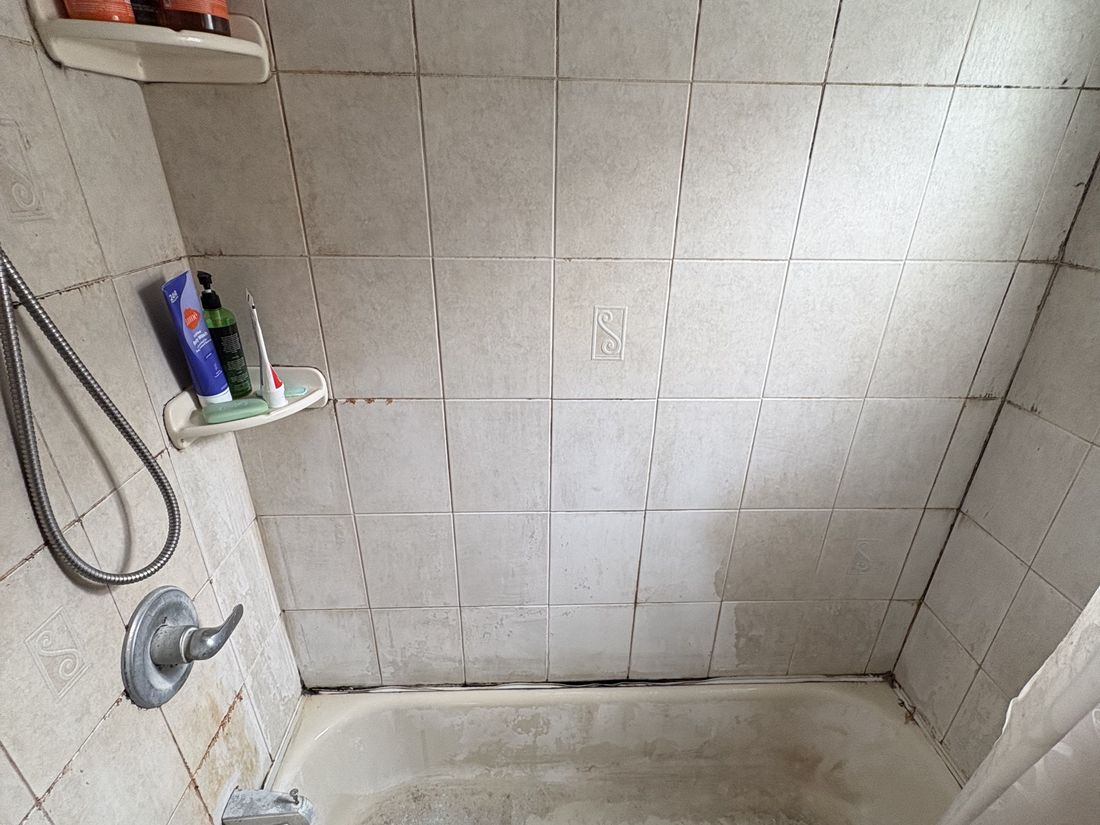
- An original second-floor bathroom needing full replacement
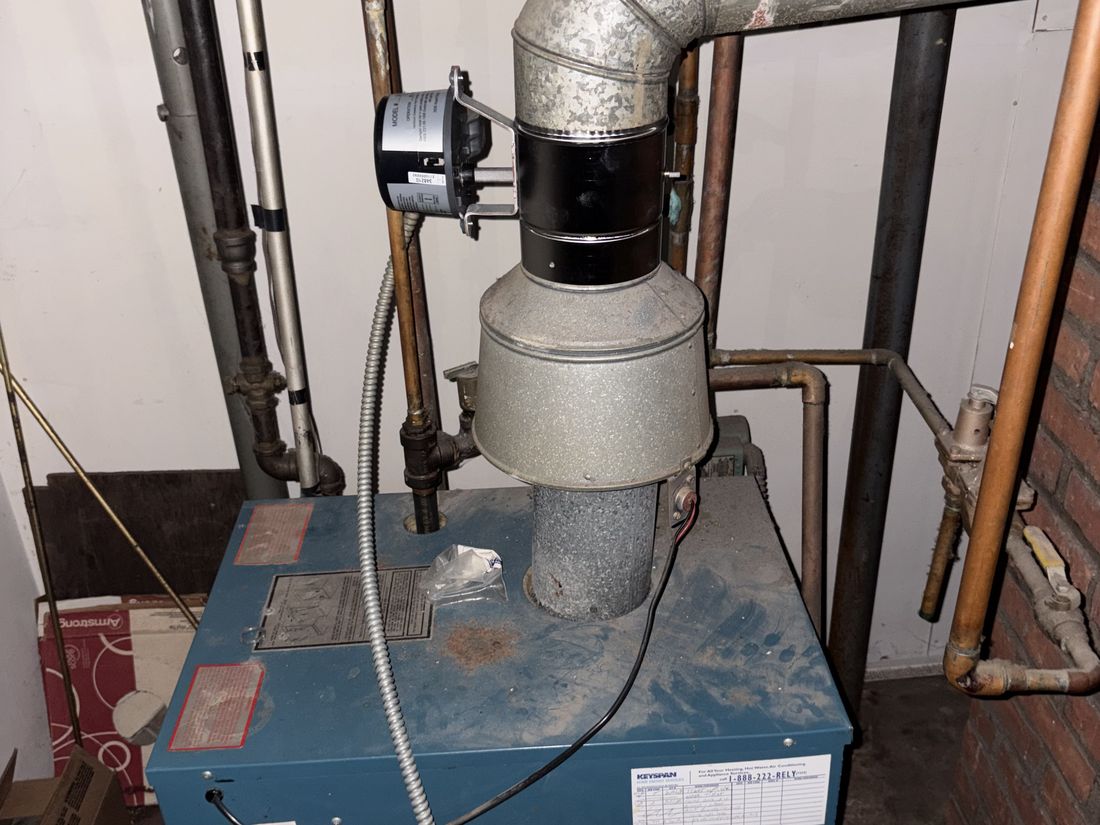
- A furnace close to the end of its service life
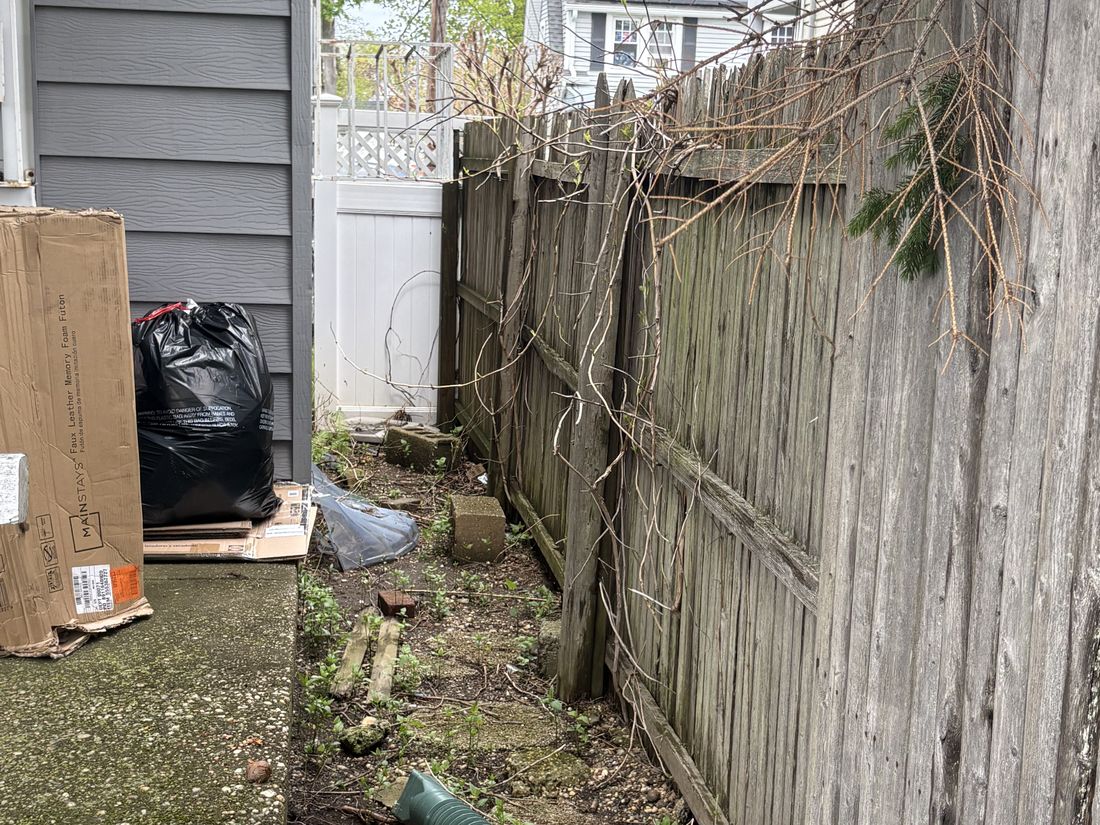
- All perimeter fencing requiring replacement
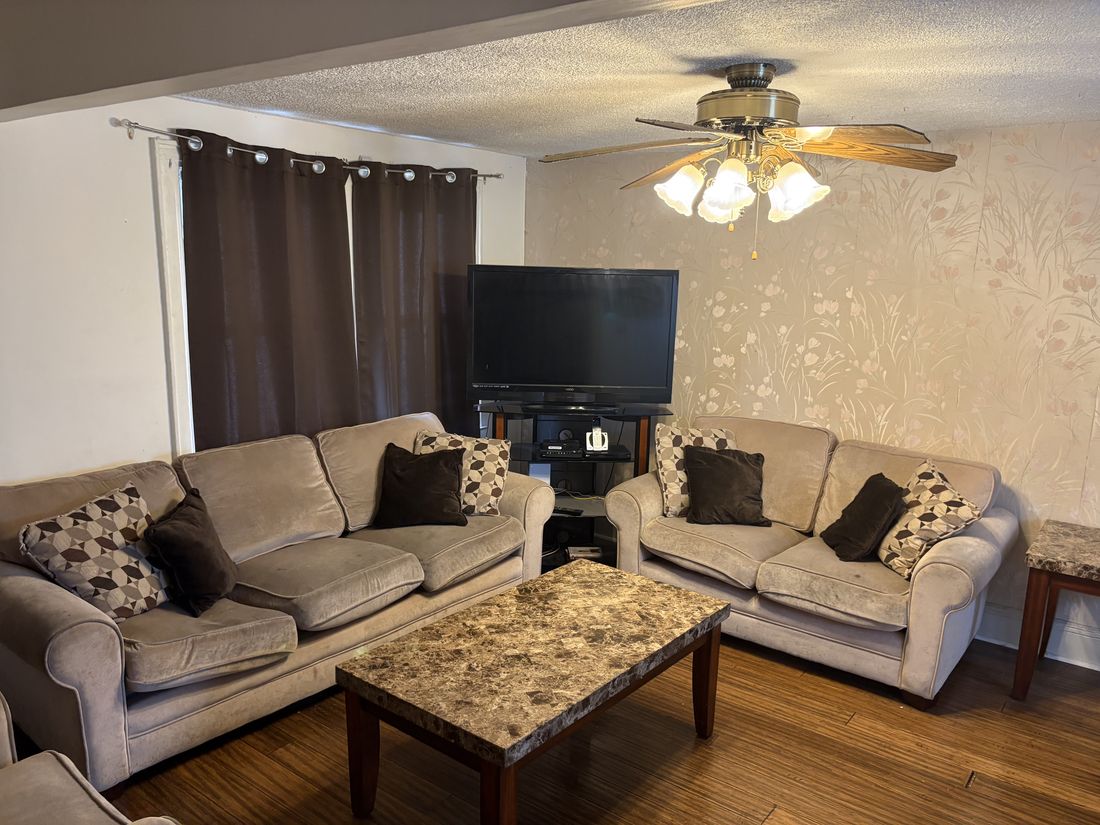
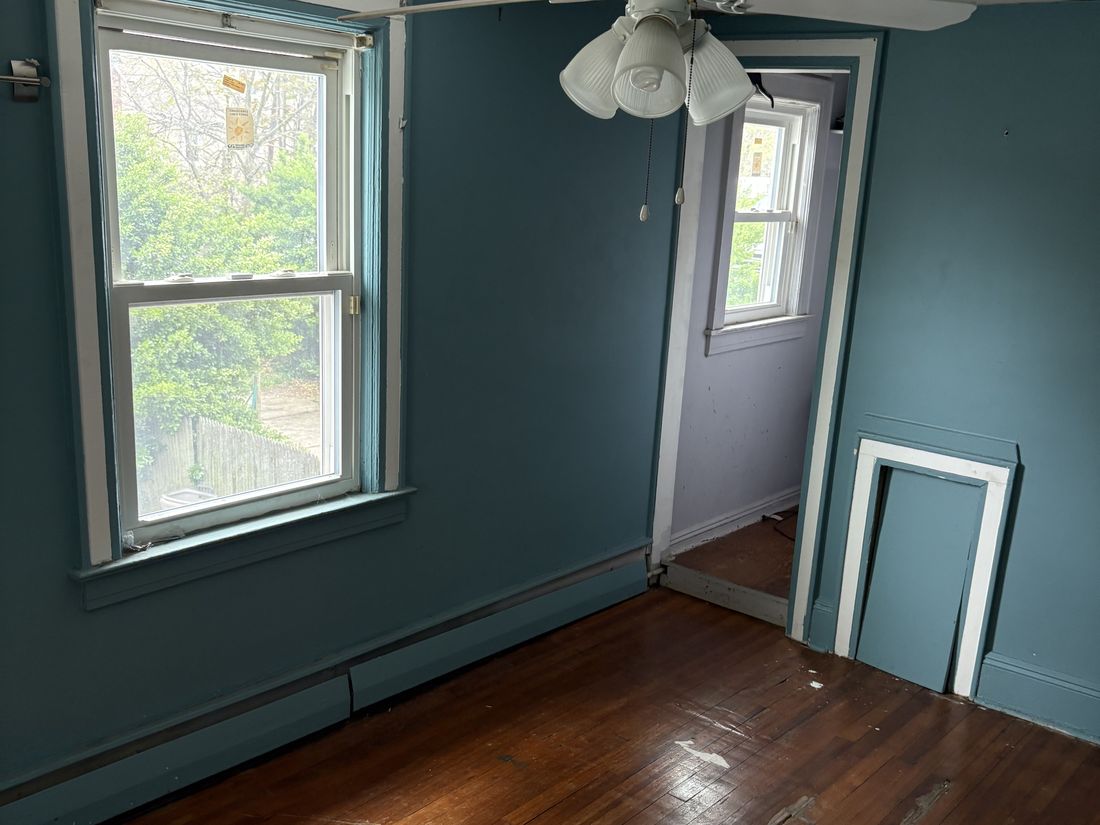
- Cosmetic work throughout
Read that list as a buyer would. The expensive structural items — roof, siding — are done. But the two rooms buyers judge a house by, the kitchen and the bathroom, both need gutting, and the heating system is on borrowed time.
The Trap: Sinking Money Into Pre-Sale Repairs
The conventional advice is to fix the kitchen and bathroom before listing, because those two rooms drive buyer perception more than anything else. Sometimes that advice is right. Often it is expensive and wrong, and it is worth understanding precisely why.
A full kitchen gut and a full bathroom replacement are not weekend projects. They mean demolition, plumbing and electrical work, permits and inspections, cabinetry lead times, and a contractor schedule you do not control. Add a furnace replacement and perimeter fencing and you have a substantial project with a real budget attached — funded entirely by you, before you have received a penny for the house.
Three things then tend to go wrong:
- The work takes longer than planned. It nearly always does, and you carry the mortgage, taxes and insurance for every extra month.
- You renovate to your taste, not the buyer's. Choices you make get discounted anyway by buyers who would have chosen differently.
- You do not recover the full cost. Renovations rarely return every dollar at resale, and one done under time pressure to facilitate a sale returns less than one done well over time.
And underneath all of it sits the thing people forget: you still have to sell the house afterwards, to a financed buyer, with an inspection and an appraisal, either of which can still stall the deal.
Not "will this renovation add value?" — most will add something. The right question is: will it add more than it costs, faster than I can afford to wait, and will I definitely recover it at closing? For a kitchen and bathroom both needing full gut jobs, on a house the owner has already decided to leave, the honest answer is frequently no.
What He Chose Instead
He sold as-is. We structured a straightforward cash purchase on a flexible timeline so he could move to his new home without a renovation project running behind him.
No contractors to hire, schedule and chase. No permits. No living in a house with a gutted kitchen. No open houses. No inspection negotiation after the fact. No waiting on a buyer's mortgage while paying for a property he had already mentally left.
Our offer reflected the work the house needed — the kitchen, the bathroom, the furnace, the fencing, the cosmetics. That is the trade, stated plainly: he accepted a price that accounted for the renovation, and in exchange he did not have to fund it, manage it, or wait for it.
Which Repairs Are Actually Worth Doing Before Selling?
Since this is the central question, here is our honest view after buying a great many houses in this exact condition.
Usually worth doing: anything cheap that removes doubt. A deep clean. Decluttering. Fixing an obvious leak. Servicing the heating system so it demonstrably works. Replacing broken glass or a failed lock. These cost little and prevent a buyer from imagining problems larger than the reality.
Usually not worth doing right before a sale: full kitchen gut. Full bathroom replacement. Whole-house window replacement. Anything requiring permits and a multi-week contractor schedule. These consume capital and months, and the return arrives only if the sale then proceeds smoothly.
It depends: the roof and heating system. If either is actively failing, it may need attention simply to make the house financeable at all — a lender may not fund a home with a non-functioning heat source. If they are merely old but working, pricing that into the sale is usually the better path.
Our full breakdown of this trade-off is in selling as-is in New York, and our side-by-side comparison of a direct sale against listing with an agent puts the numbers next to each other without spin.
Selling in Nassau County — Local Notes
A few things specific to selling on Long Island that are worth knowing before you list:
- Disclosure rules changed in 2024. The former practice of offering a credit rather than completing the Property Condition Disclosure Statement is gone. On an older home with known issues this matters — see our explainer on the 2024 disclosure law.
- Property taxes are high and assessments are contestable. If your bill is a significant part of why you are selling, our guide to challenging an over-assessment covers the process, which works similarly across downstate New York.
- Oil tanks turn up in homes of this era. Buried tanks in particular derail financed sales late. See selling a house with a buried oil tank.
- Closings run through attorneys. Both sides have counsel from contract to closing, which is a protection but also means the process moves at the speed of the slowest party.
Situations Like This One
We buy homes needing full gut renovations, houses owned by people relocating for work, inherited property nobody has maintained, rentals with tenants in place, homes carrying tax liens, owners downsizing, and sellers working through a divorce. If a lender has begun proceedings, our guide to the New York foreclosure process explains the timeline. For current pricing, see the 2026 market outlook.
Where We Buy in New York
Hempstead is in Nassau County. Our core market is Westchester, Putnam and Rockland — Yonkers, White Plains, New Rochelle, Mount Vernon, Port Chester, Peekskill, Ossining, Yorktown Heights, Carmel, Mahopac, Brewster, Nyack, Nanuet, New City and Spring Valley — and we buy on Long Island as well. See the full list of areas we serve, or read how it works.
Selling a House That Needs a Gut Renovation — Common Questions
Should I renovate the kitchen and bathroom before selling?
Usually not, if both need full gut jobs and you have already decided to move. A complete kitchen and bathroom renovation means permits, plumbing and electrical work, cabinetry lead times and a contractor schedule you do not control — funded entirely by you before you receive anything for the house. Cheap work that removes doubt (cleaning, decluttering, servicing the heat, fixing an obvious leak) is usually worth doing. Major renovation immediately before a sale frequently is not.
Will a lender refuse to finance a house that needs a gut renovation?
It depends on the loan and what specifically is wrong. Cosmetic dating is not usually a barrier for a conventional loan. Functional failures can be — a non-working heat source, active leaks, or serious safety defects may make a property ineligible until repaired, and government-backed loans apply stricter property standards. This is why houses in this condition often end up selling to cash buyers: not because nobody wants them, but because the buyers who want them cannot always finance them.
My roof and siding are fine but the inside is dated. What's that worth?
More than you might fear, and less than you might hope. Sound roof and siding remove two of the largest expenses a buyer would otherwise price in, and that genuinely helps. But buyers form their impression from the kitchen and bathroom, and a dated interior gets discounted heavily regardless of what is right elsewhere. The house sells — it simply sells to someone pricing in the renovation, which is exactly the position we buy from.
What if my furnace is old but still working?
A working but aging furnace is a negotiating point rather than a barrier. A buyer's inspector will note its age and remaining life, and the buyer will likely ask for a credit or replacement. If it is genuinely at end of life, budget for that conversation. If it has failed entirely, it may need replacing simply to make the house financeable, since a lender generally requires a functioning permanent heat source. Selling as-is removes the question, because we price the system's condition into the offer.
How much do I lose selling as-is versus renovating first?
Less than the gap in headline prices suggests, once you account for everything. Against a higher renovated sale price you have to set the renovation cost itself, the months of carrying costs while work proceeds, agent commission, seller closing costs, post-inspection concessions, and the risk that the buyer's financing fails and you start again. Our comparison page works through both columns. For some sellers listing genuinely nets more; for others the difference is far smaller than expected.
Can I sell before I move to my new home?
Yes, and the timing is negotiable. This seller was relocating for a shorter commute, and we structured the closing on a flexible timeline so the two moves lined up. We can close quickly if you need proceeds to buy elsewhere, or slowly if you need time to arrange the next place. Tell us the date that works and we will build around it.
Do I need to replace the fencing or do yard work first?
No. The perimeter fencing on this property needed full replacement and that was simply part of what we took on. Fencing, landscaping and general outdoor tidying have very poor pre-sale returns — they cost real money and rarely move the price by more than they cost. Leave them.
What does a drop ceiling in a kitchen tell a buyer?
Mostly that the kitchen is of a certain era, and occasionally that something above it was being concealed — old wiring, ductwork, or previous damage. Buyers and inspectors treat them with mild suspicion for that reason. Removing one is not expensive in isolation, but on a kitchen already needing a full gut there is little point doing it separately; it comes out as part of the demolition.
Do you buy houses in Hempstead and Nassau County?
Yes. Most of our volume is in Westchester, Putnam and Rockland, but we buy across the downstate market including Nassau and Suffolk. Houses needing significant interior work are among the most common properties we purchase — the condition that makes a retail sale difficult is not an obstacle for us.
How fast can you close?
An offer within about 24 hours of seeing the property, and closing in as little as seven days where title is clear. New York closings run through attorneys, so the practical minimum is set by how quickly the title search and attorney review complete. If you need longer to coordinate a move, we can schedule the closing for a later date instead.