A Vacant House
You Can't Keep Driving To
The Situation
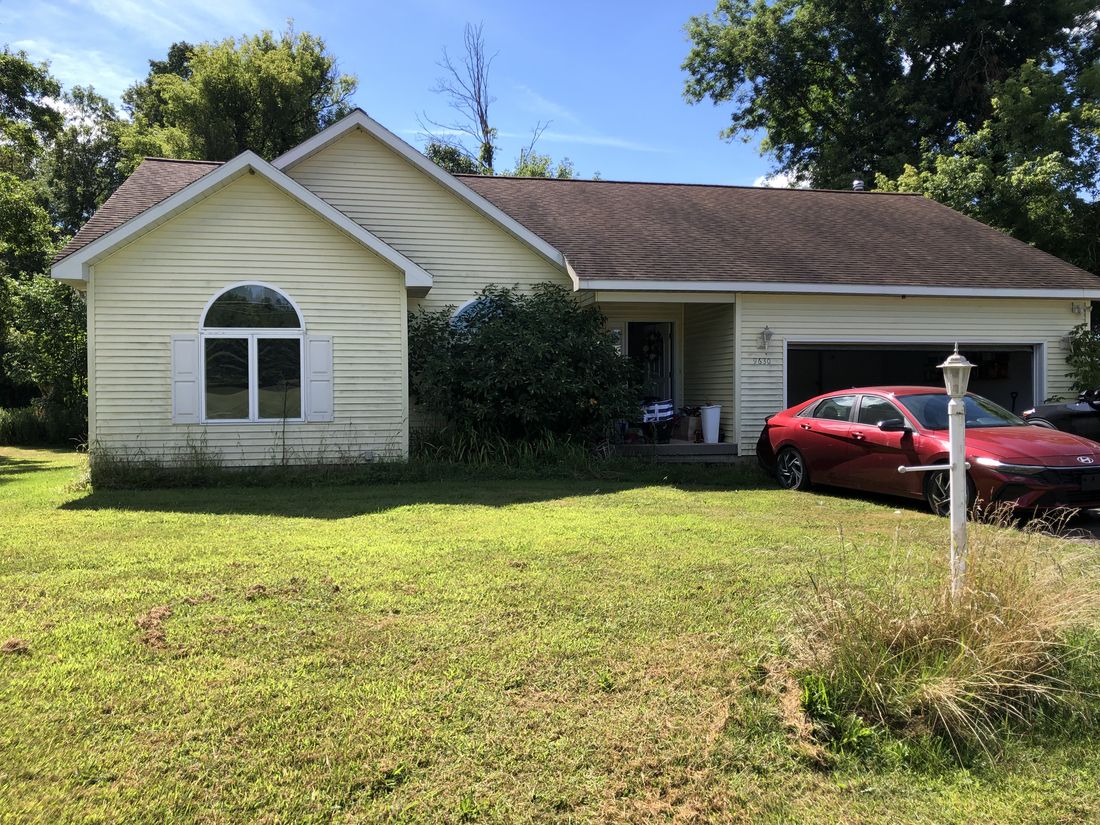
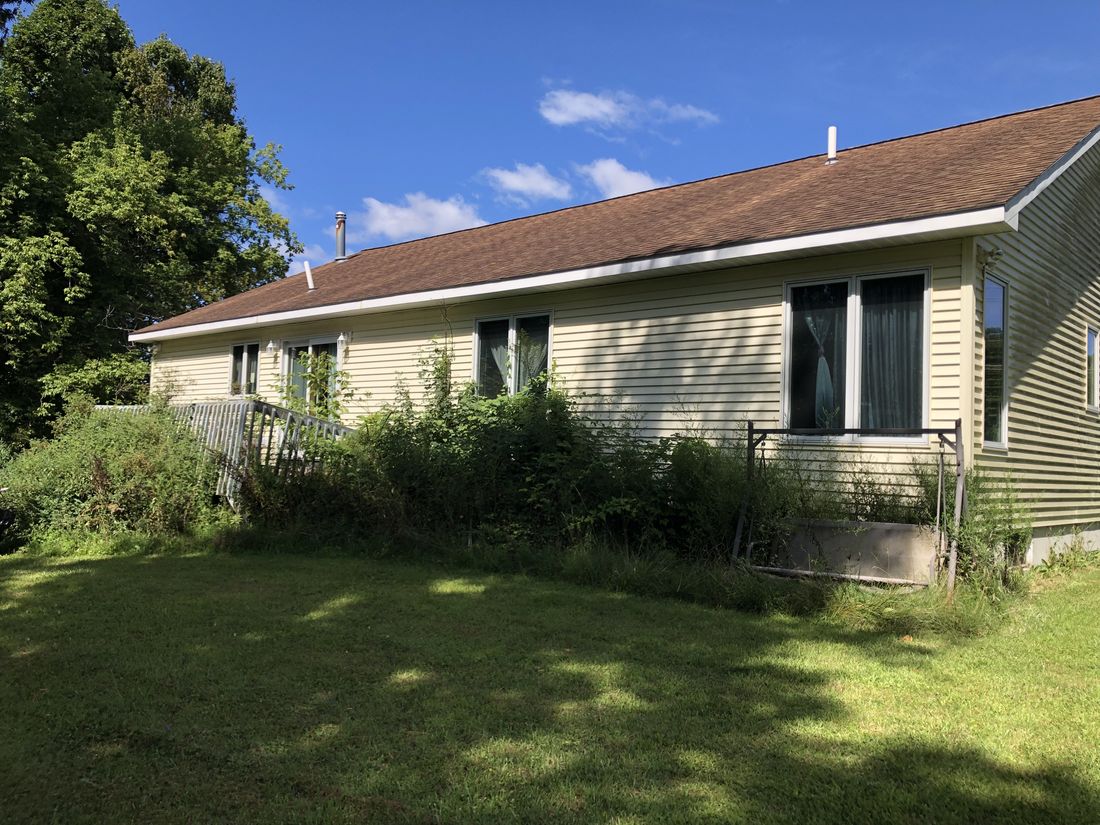
By the time this owner contacted us, the decision had already been made and acted on. He had moved out of state and bought a new home there. What he had not managed to do was dispose of the house on NY-365 in Holland Patent — a rural stretch of Oneida County north of Utica, several hours from where he now lived.
So he was driving back. Repeatedly. To check on an empty house.
That is the part worth dwelling on, because people underestimate it until they are living it. A vacant property does not look after itself. Someone has to confirm the heat is holding through winter, that no pipe has let go, that the roof came through the last storm, that the grass has been cut often enough not to attract a code complaint, that mail is not piling visibly at the door advertising the house as empty. None of those tasks is difficult. All of them require somebody to be there.
What the House Had Going For It
This was a structurally strong property, and the bones were genuinely good:
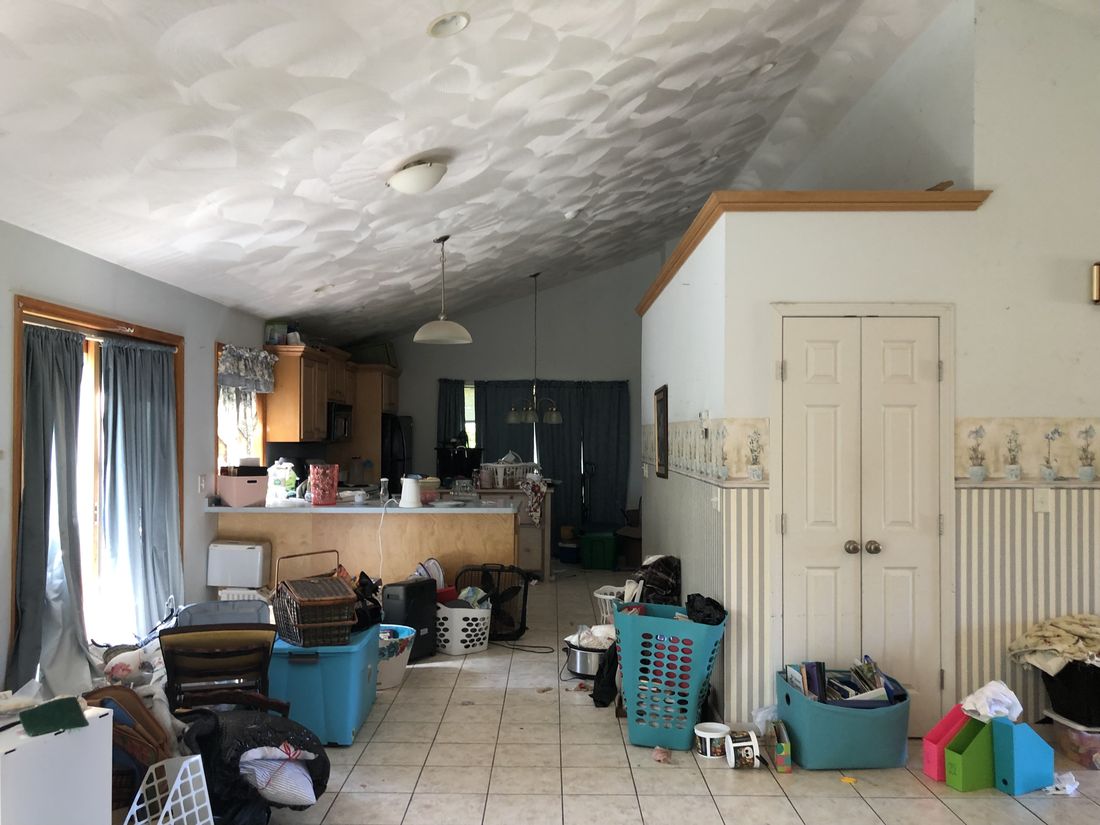
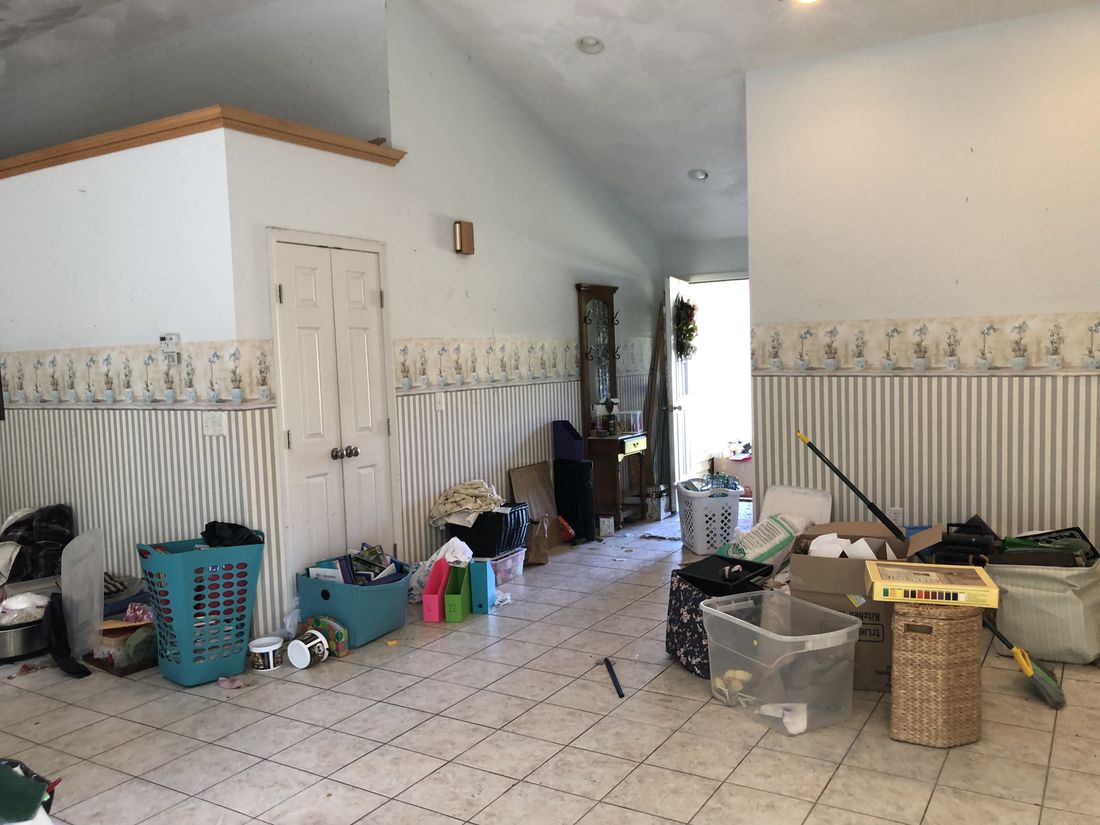
- Cathedral ceilings through the main living spaces
- A 50-year roof — the long-life category, not a builder-grade replacement
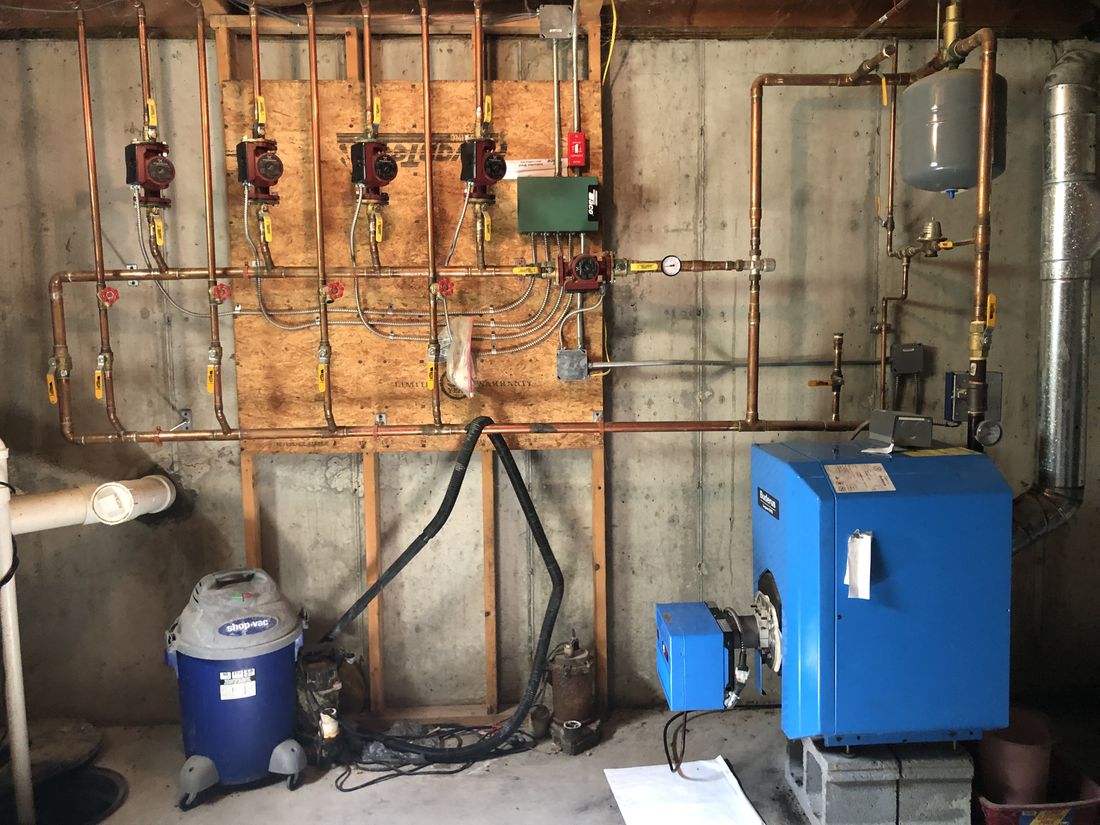
- A four-zone radiant boiler system, meaning heat could be controlled independently by area
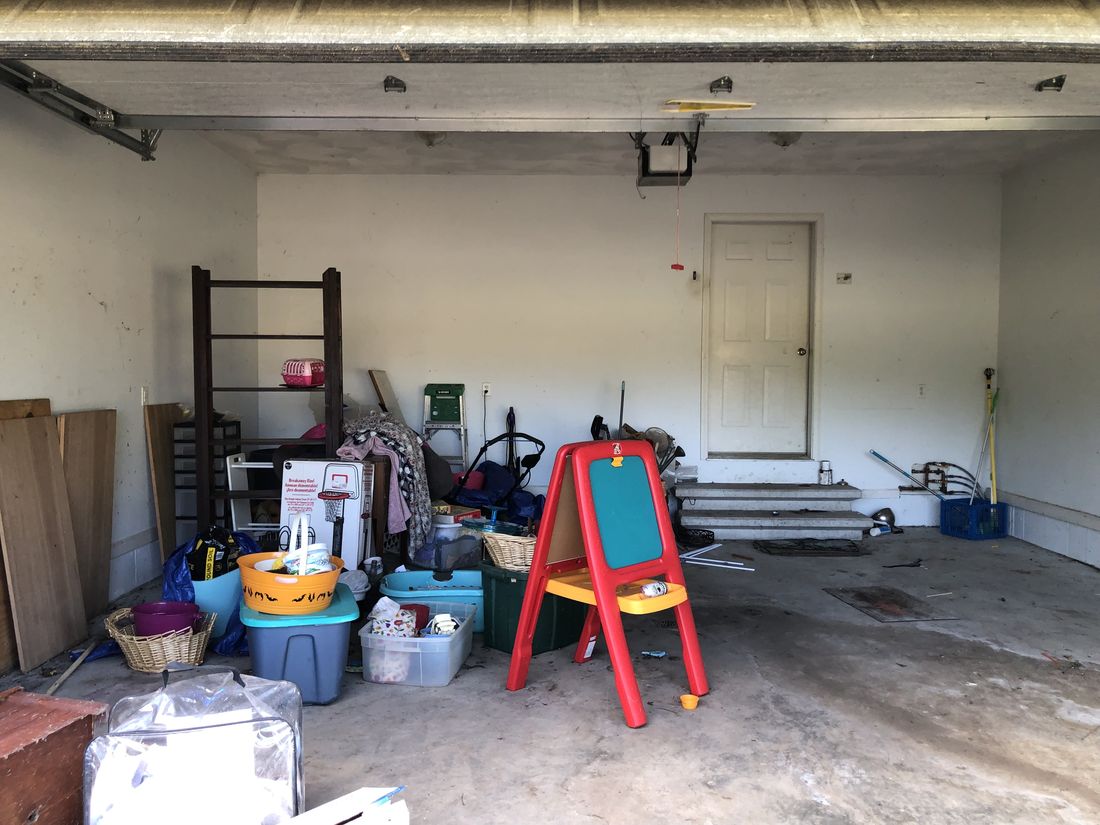
- An attached garage and a single-storey layout on a rural lot
Structurally and mechanically, this was a house someone had specified thoughtfully and then maintained.
What Was Working Against It
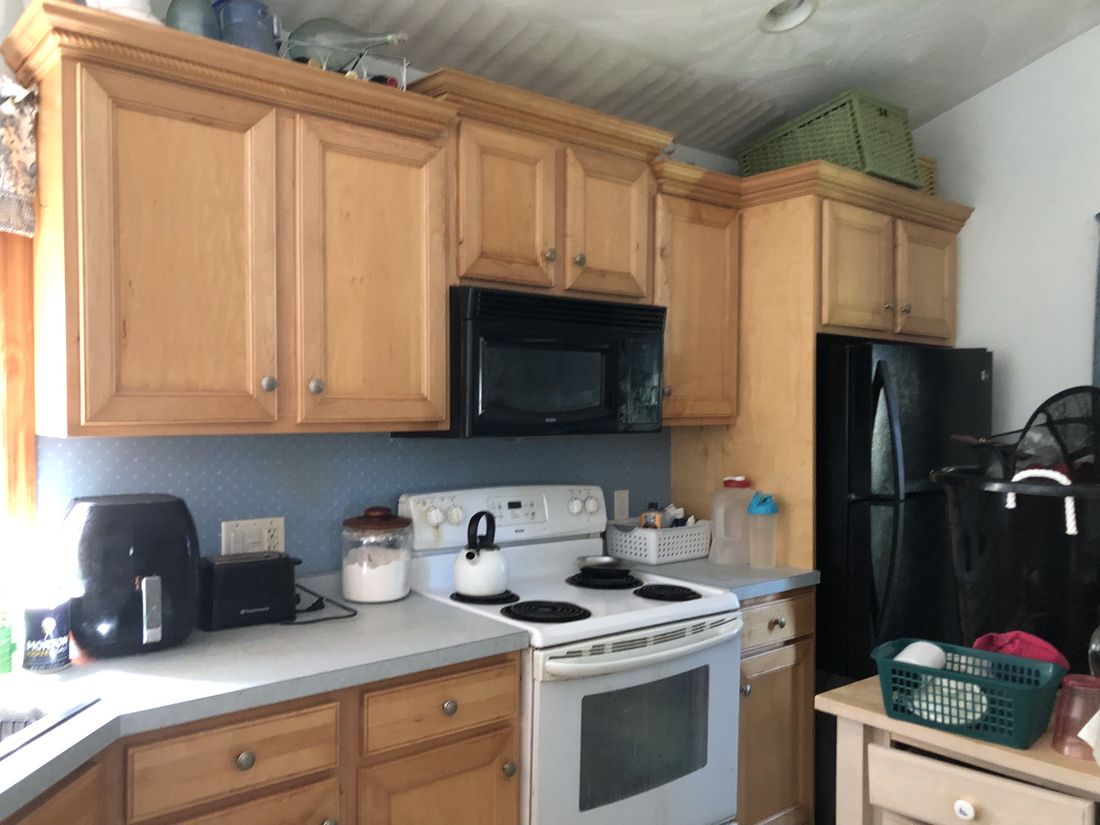
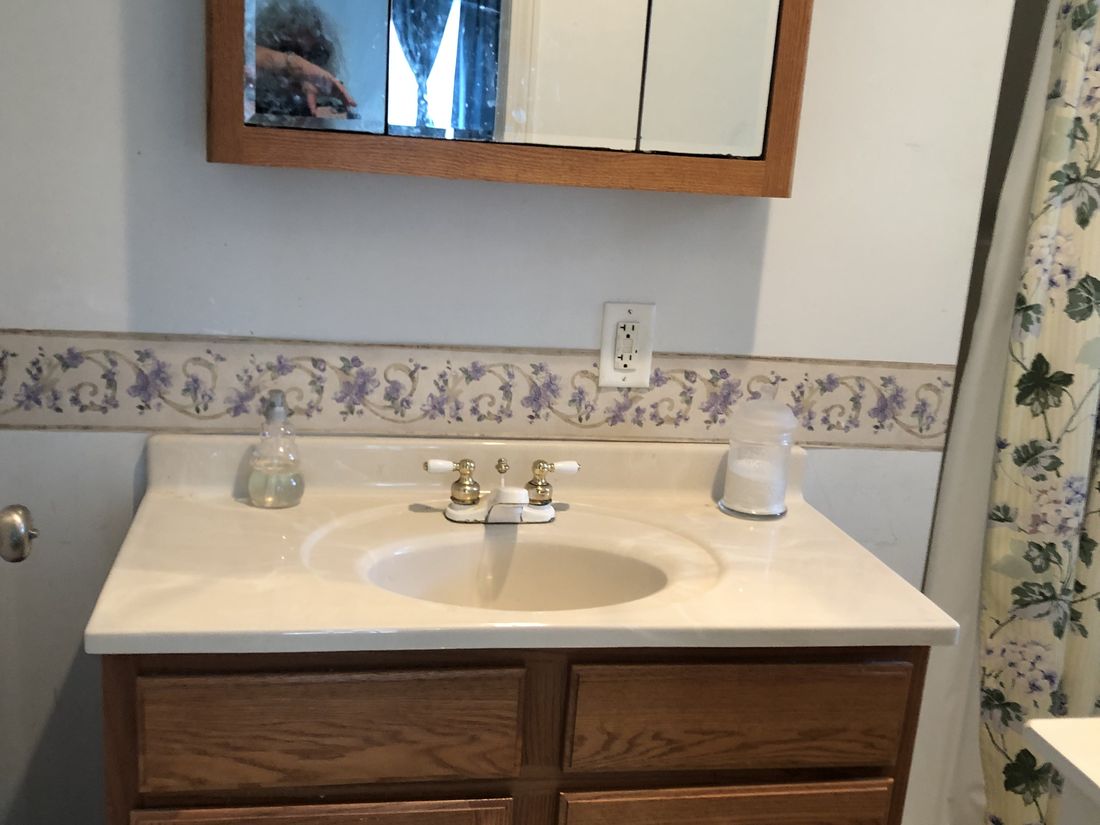
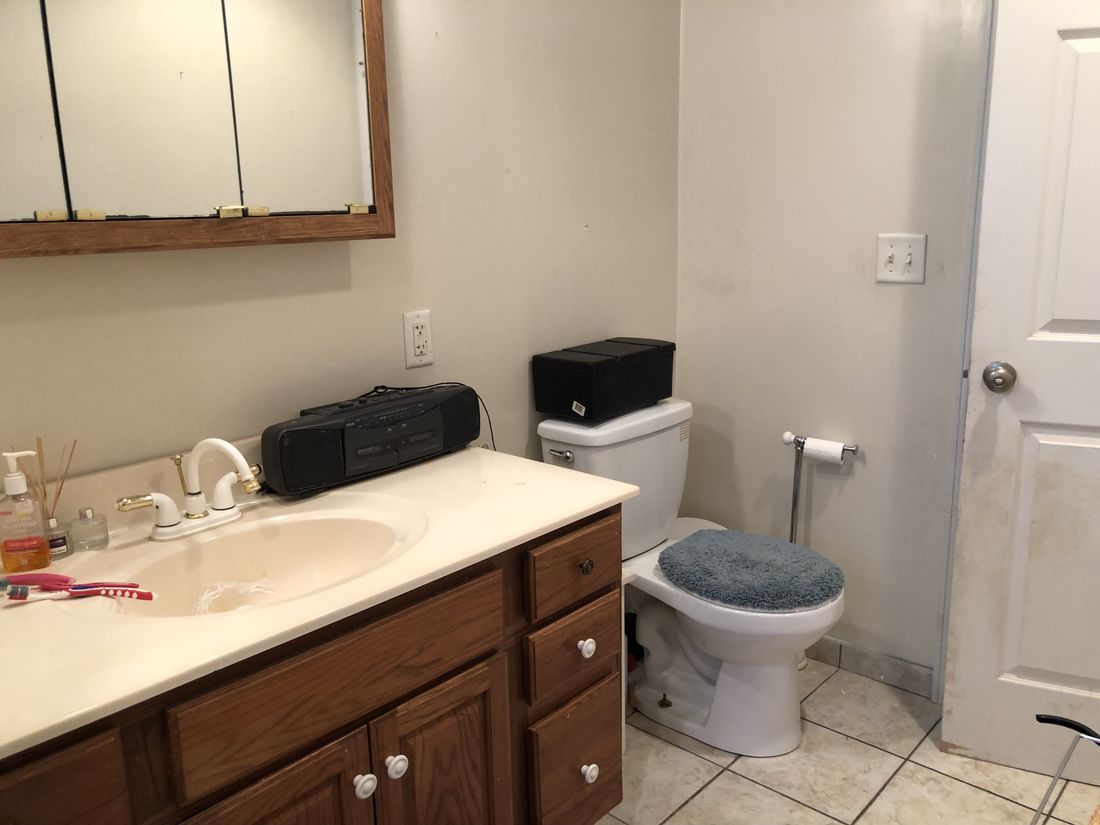
Everything a buyer sees first was original. The kitchen was 1970s oak with appliances of the same vintage. The bathrooms were untouched, down to the vanities and fittings. The windows were original. The wall treatments were of their era.
This produces a specific and frustrating mismatch. The expensive, invisible parts of the house — roof, boiler, structure — were in excellent order. The inexpensive, highly visible parts were forty years out of date. Buyers respond to what they can see, so the property showed considerably worse than it actually was.
An empty house costs money every month and generates no offsetting benefit. Beyond the mortgage, taxes and insurance, vacancy itself creates risk. Many insurers restrict or void coverage once a property has been unoccupied beyond a set period, and vacant-property policies cost more while covering less. Frozen pipes, undetected leaks and break-ins all become materially more likely when nobody is present. And in a rural setting, a visibly empty house is visibly empty to everyone who passes it.
Why He Didn't Just Renovate and List
It is a fair question, and for an owner living locally it might have been the right answer. From several hours away it was not.
Renovating a kitchen, two bathrooms and the windows means selecting contractors in a market you no longer live in, granting access to a vacant property, approving decisions remotely, and returning repeatedly to inspect work you cannot supervise. It means carrying the house — taxes, insurance, utilities, heat through an Oneida County winter — for every month the work runs, plus the listing period that follows.
And it means accepting the risk that after all of it, a financed buyer's appraisal or inspection stalls the sale and the whole cycle extends further.
He had already made his move. What he wanted was to be finished, and to stop driving north.
Getting It Closed
The transaction itself required real coordination, and we mention it because "cash sale" is sometimes presented as though nothing has to be managed. On this one we worked through secondary appraisal re-inspections, title report coordination, and ongoing updates between attorneys to keep everything aligned.
New York closings run through attorneys on both sides, which is a genuine protection but also means several parties must stay synchronised. The owner did not have to travel for it. He did not have to be present for inspections or coordinate access repeatedly. We handled the local side, and the sale closed cleanly.
If You're Maintaining a House From Another State
This is one of the most common situations we deal with, and the pattern repeats: someone relocates for work, family or retirement, intends to deal with the old house shortly, and then finds that distance makes every step three times harder.
Questions worth answering honestly:
- How much are you actually spending each month — mortgage, taxes, insurance, utilities, heat, lawn care, plus the fuel and lost time of the trips themselves?
- Does your insurer know the property is vacant, and does your policy still cover you if it is?
- Is the heat reliably maintained through winter? A single frozen pipe in an unoccupied house can cost more than a year of carrying costs.
- Realistically, are you going to renovate it from where you live now — or has that plan been "next month" for a while?
If the honest answers point one direction, a direct sale ends the whole arrangement in weeks rather than seasons. We buy houses needing full updating, inherited property, homes owned by people who have already relocated, rentals, and properties carrying tax liens — without the owner needing to be in New York for any of it.
Our guide to handling a New York house from out of state covers the logistics in detail. Two other pieces relevant to a property like this one: selling a home with an oil tank, since oil heat is standard in this part of the state and tanks are a recurring transaction issue, and the 2024 New York disclosure law changes, which affect what you must now disclose. If a lender is already involved, see our walkthrough of the New York foreclosure process.
Where We Buy in New York
Holland Patent sits in Oneida County, well north and west of our core market — but we buy across the state, and long-distance owners are a large part of why. Most of our volume runs through Westchester, Putnam and Rockland: Yonkers, White Plains, New Rochelle, Mount Vernon, Peekskill, Ossining, Yorktown Heights, Port Chester, Carmel, Mahopac, Brewster, Nyack, Nanuet, New City and Spring Valley. See the full list of areas we serve, or read how the process works.
Selling a Vacant or Out-of-State House — Common Questions
Can I sell a New York house if I've already moved out of state?
Yes, and you generally will not need to travel. New York closings are handled by attorneys, and remote signing is routine. On this Holland Patent sale the owner was living out of state throughout — we managed access, inspections and local coordination, and he was not required to make the drive. If you have already relocated, that is a reason to sell directly rather than an obstacle to it.
Does homeowner's insurance still cover a vacant house?
Often not, and this catches people out badly. Most standard policies restrict or exclude coverage once a property has been unoccupied beyond a defined period — commonly 30 or 60 days. If a pipe bursts in a house your insurer considers vacant, the claim may be denied. Vacant-property policies exist but cost more and cover less. If your house has been empty for months, call your insurer and ask directly rather than assuming.
What are the real costs of holding an empty house?
Add up the mortgage, property taxes, insurance at the vacant rate, utilities including enough heat to prevent freezing, lawn and snow maintenance, and the fuel and time of every trip to check on it. Then add the risk items that do not appear on a monthly statement: a frozen pipe, a roof leak nobody finds for weeks, a break-in, or a code violation from long grass. Owners routinely find the true monthly figure is well above what they had been assuming.
Should I renovate a dated house before selling, or sell as-is?
If you live nearby, have the cash, and can supervise the work, renovating often returns more. If you live in another state, the calculation changes sharply. You are selecting contractors remotely in a market you have left, approving decisions you cannot see, granting access to an empty house, and carrying every cost for the duration — then still facing a listing period and a buyer's financing. This house needed a kitchen, two bathrooms and windows. That is a months-long project to run from another state.
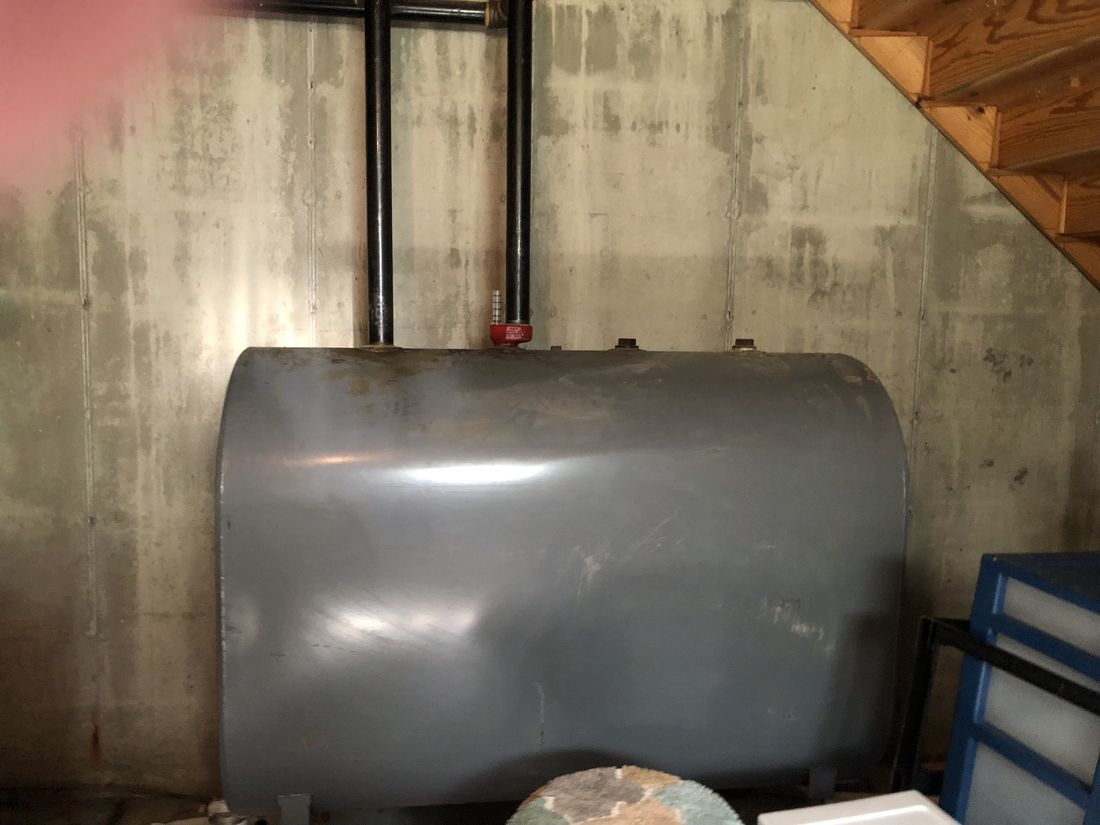
Does an oil tank make a house harder to sell?
An above-ground tank in sound condition usually does not. Buried tanks are the difficulty — they raise environmental questions lenders and insurers care about, and they frequently surface mid-transaction. In this part of New York oil heat is standard, so it is worth knowing what you have before a buyer's inspector tells you. Our guide to selling with an oil tank covers the options.
What is an appraisal re-inspection?
When an appraisal is made subject to conditions — repairs, completion of work, or verification of something the appraiser could not confirm — the appraiser must return to check those items before the loan can proceed. It is a normal part of many transactions but it adds time, and it requires someone to arrange access. For an out-of-state owner that is another trip, or another set of arrangements to coordinate remotely. On this sale we handled that coordination locally.
How do I keep a vacant house safe through a New York winter?
Either maintain heat and have someone physically check the property regularly, or have the plumbing properly winterised and drained by a professional. The failure mode people underestimate is a burst pipe in an unoccupied house: water runs unnoticed for days, and the damage compounds through every floor below. If nobody is checking the property weekly through winter, winterising is the safer choice.
Do you buy houses outside the Hudson Valley?
Yes. Most of our volume is in Westchester, Putnam and Rockland, but we buy across New York State — this property is in Oneida County, several hours north. Out-of-state owners with a property they can no longer manage are one of the most common situations we handle, and geography within the state is rarely the obstacle.
Do I need to clear the house out first?
No. Take what you want and leave the rest. That is especially useful for out-of-state owners, because clearing a house remotely means either multiple trips or hiring and supervising a clearance company from a distance. Leaving contents behind is entirely normal in our purchases.
How quickly can you close?
We can make an offer within about 24 hours of seeing the property, and close in as little as a week where title is clear. Transactions involving appraisal conditions, title issues or attorney coordination take longer — a few weeks rather than a few days. We will give you a realistic timeline at the outset rather than an optimistic one we cannot hold to.